News
October 15, 2027
For Child Nutrition, Education, and Community Development
The Ethiopia School Meal Initiative (ESMI) is a leading non-profit organization dedicated to transforming school feeding systems into sustainable platforms for child nutrition, educational success, youth empowerment, food security, and economic development.
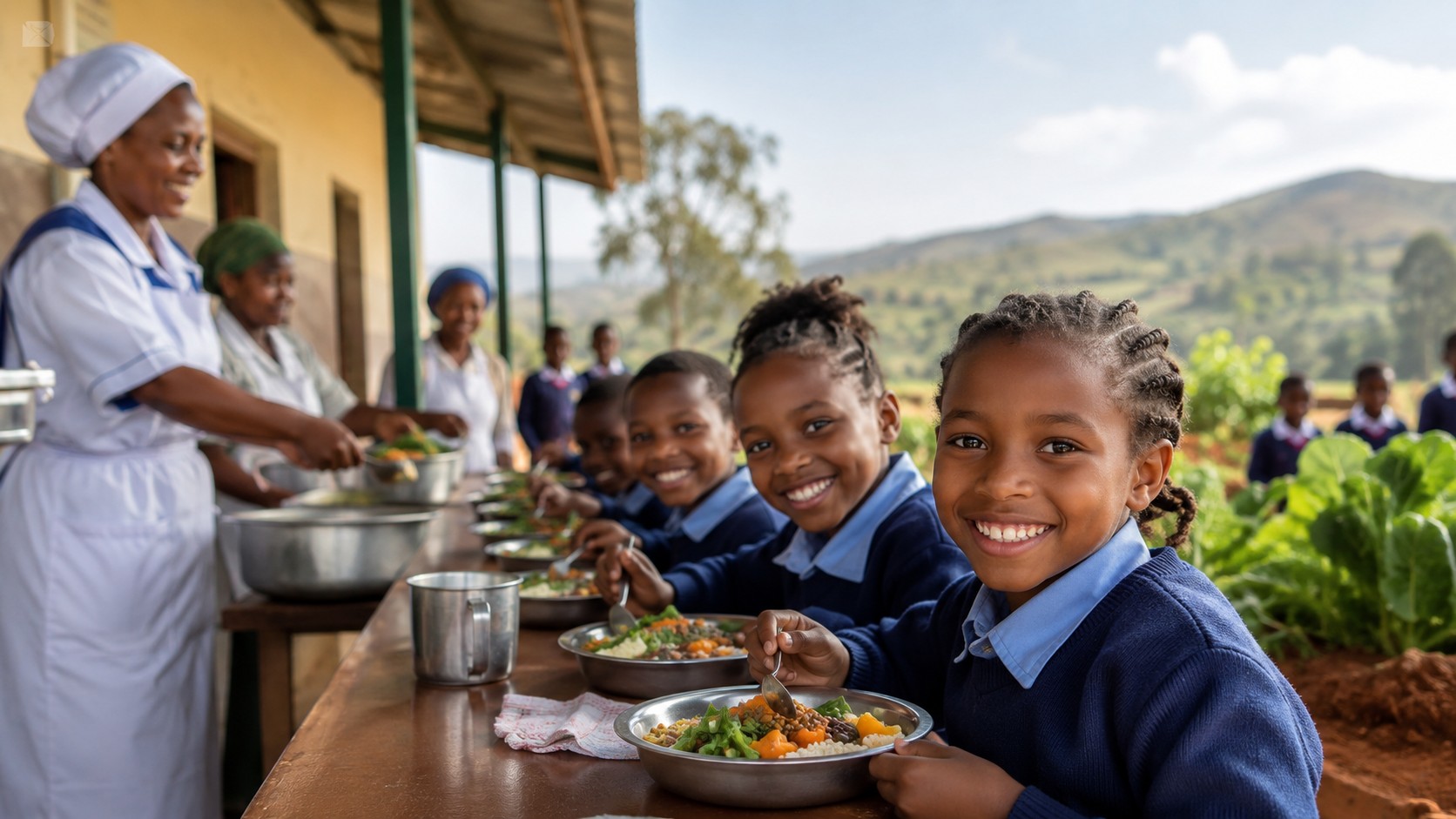
Through innovative school feeding models, policy leadership, climate-smart agriculture, modern food systems, and strategic partnerships, ESMI works to ensure that every child has access to nutritious meals while creating opportunities for communities, farmers, women, and young people.
Our Impact at a Glance
WHO WE ARE
Since 2013, ESMI has been at the forefront of advancing sustainable school feeding systems that address hunger, improve educational outcomes, strengthen local food systems, and support long-term social and economic development.
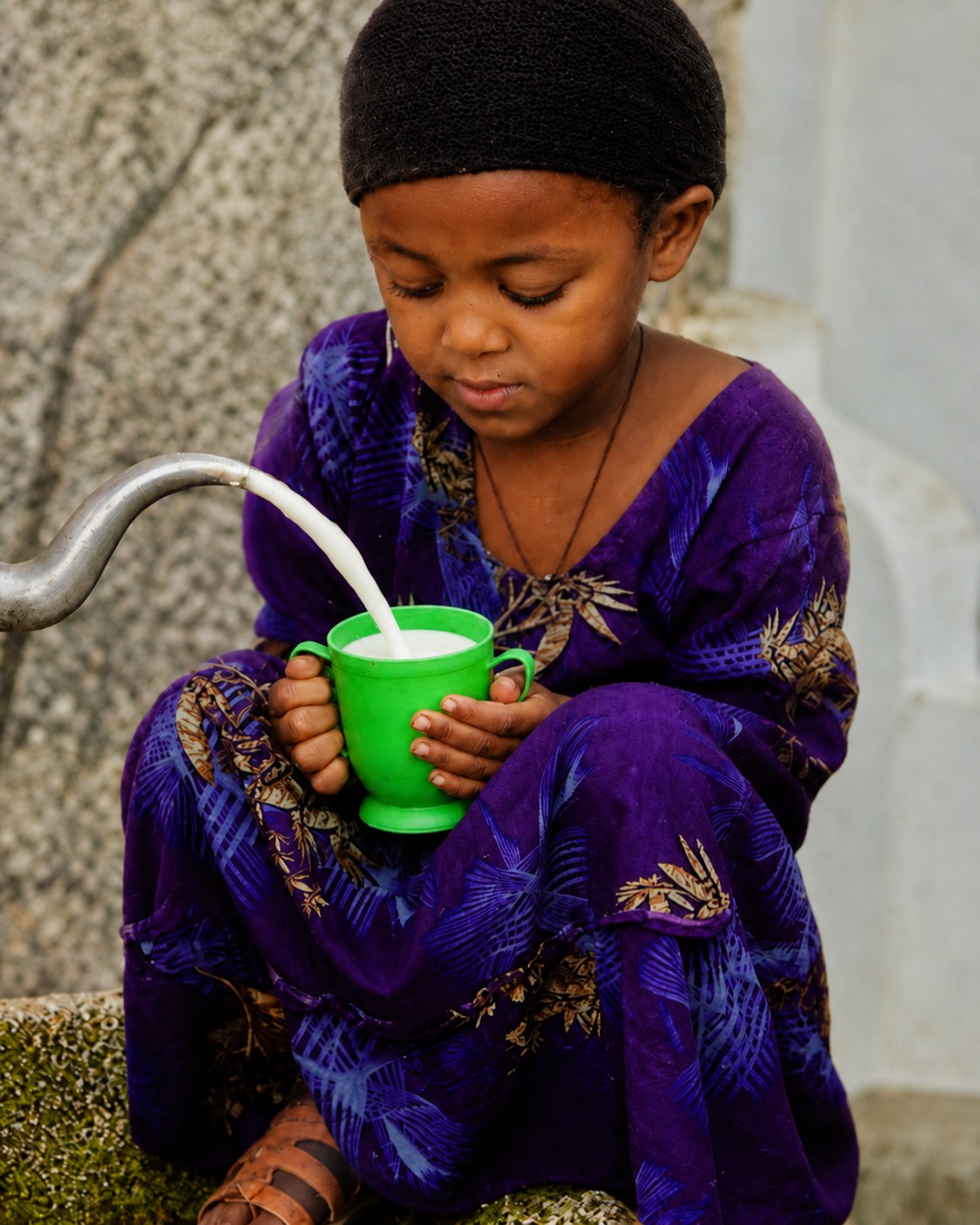
"No child should be expected to learn while hungry."
WHY SCHOOL FEEDING MATTERS
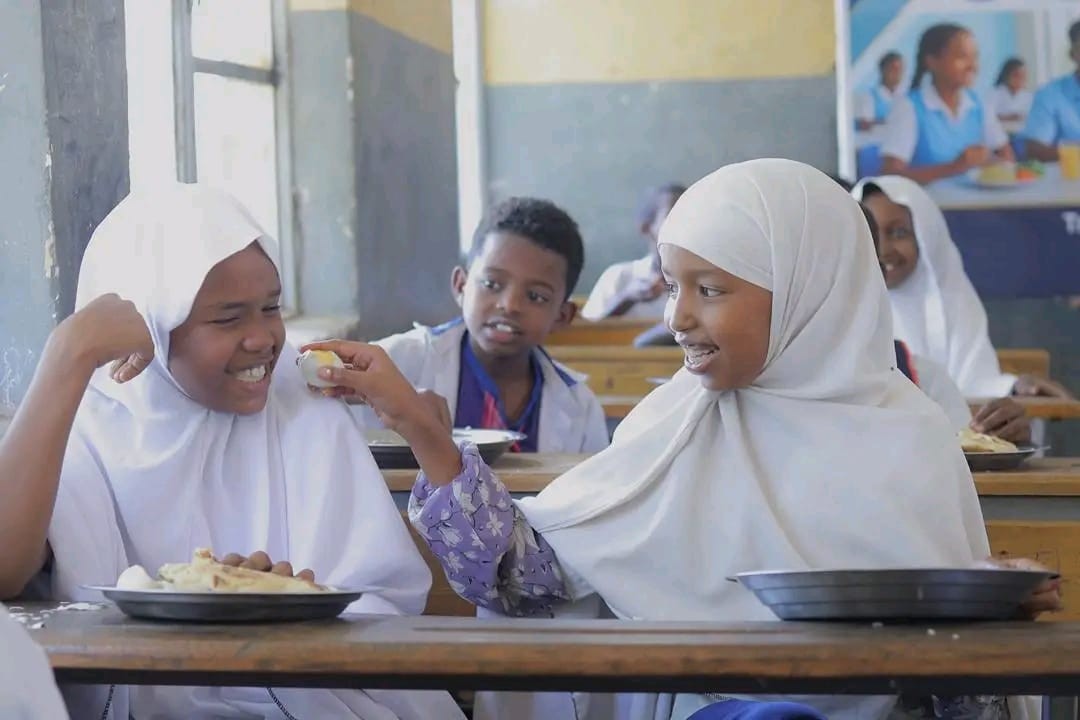
Reducing hunger and improving dietary diversity among school-aged children across Ethiopia.
Increasing school attendance, concentration, retention, and academic performance.
Creating reliable markets for local farmers, cooperatives, food suppliers, and community enterprises.
Supporting agripreneurship, food production, processing, logistics, innovation, and digital skills.
Generating employment and leadership opportunities within school feeding value chains.
Promoting climate-smart agriculture, local food sourcing, smart farming, and community resilience.
Featured Success Story
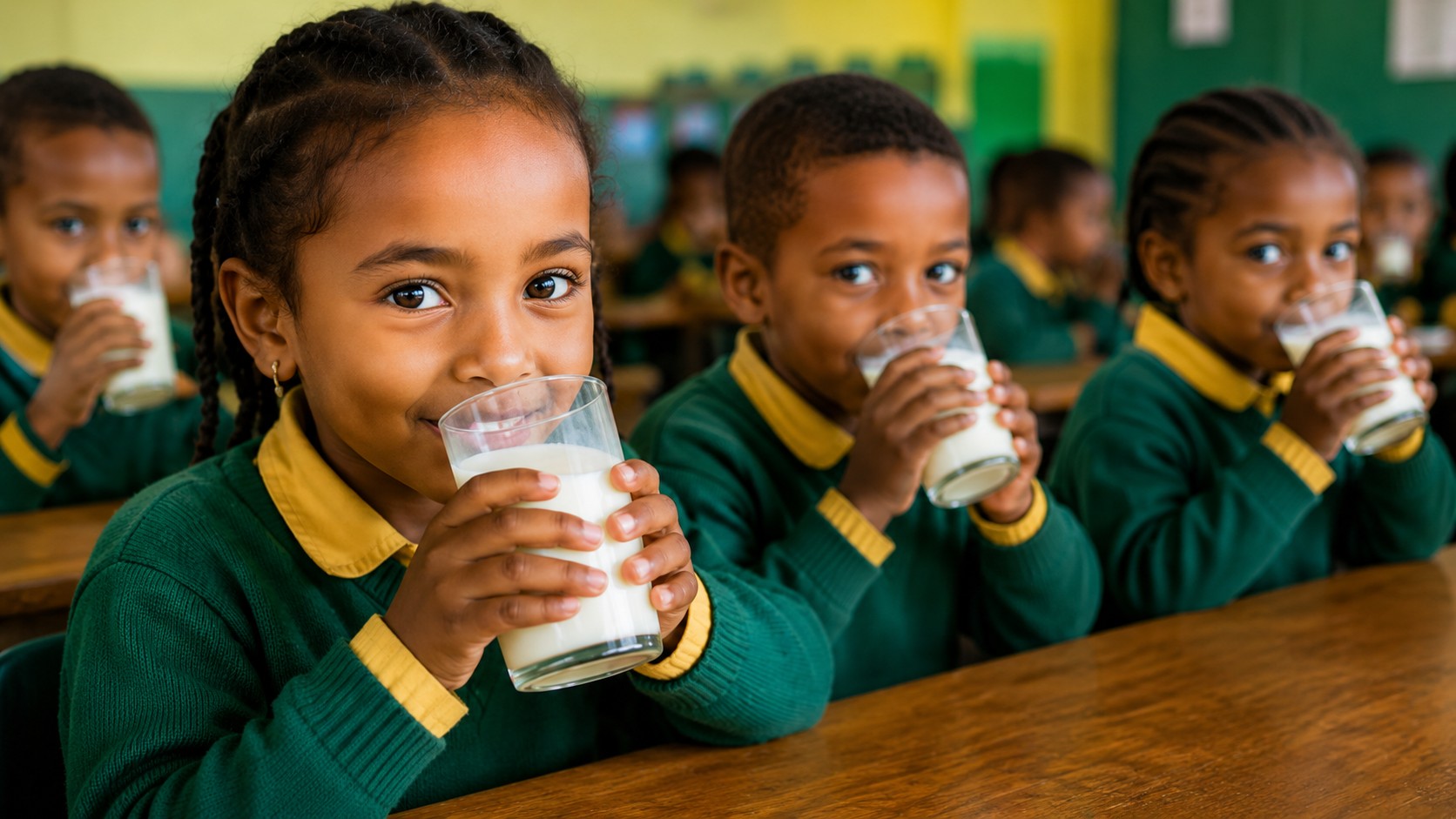
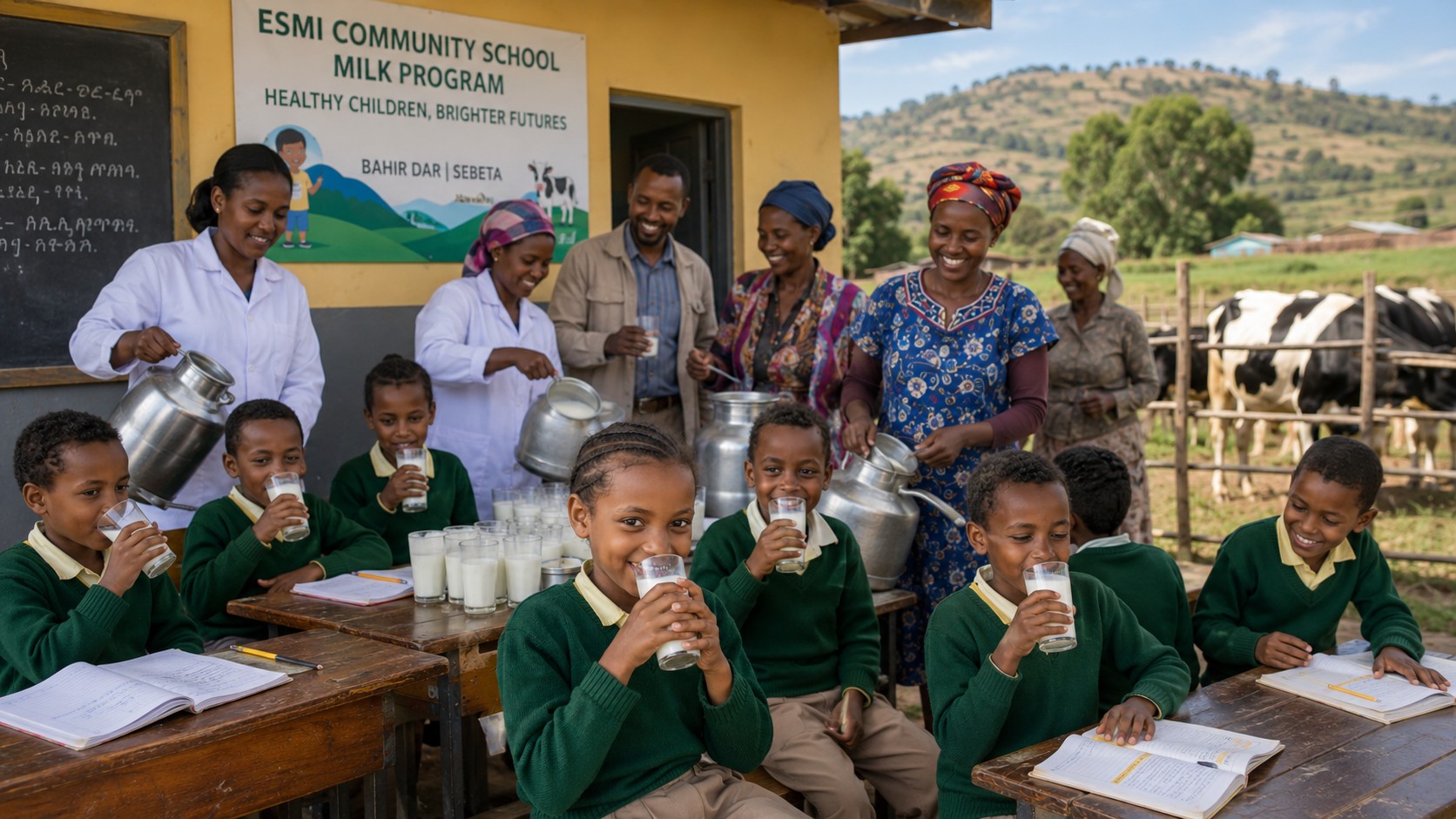
ESMI’s early work in and around Sekota demonstrated how school feeding can be practical, community-owned, and connected to local economic systems. Through school milk programs and the promotion of dairy farms near schools, ESMI helped show how nutrition, education, agriculture, and local livelihoods can work together.
ESMI’s community-owned school milk models in Bahir Dar and Sebeta helped demonstrate that school feeding can be locally managed, community-supported, and connected to broader development goals. These models contributed to wider recognition of school meals as a national development priority and a strategic public investment that supports child nutrition, education, local livelihoods, and long-term social and economic development.
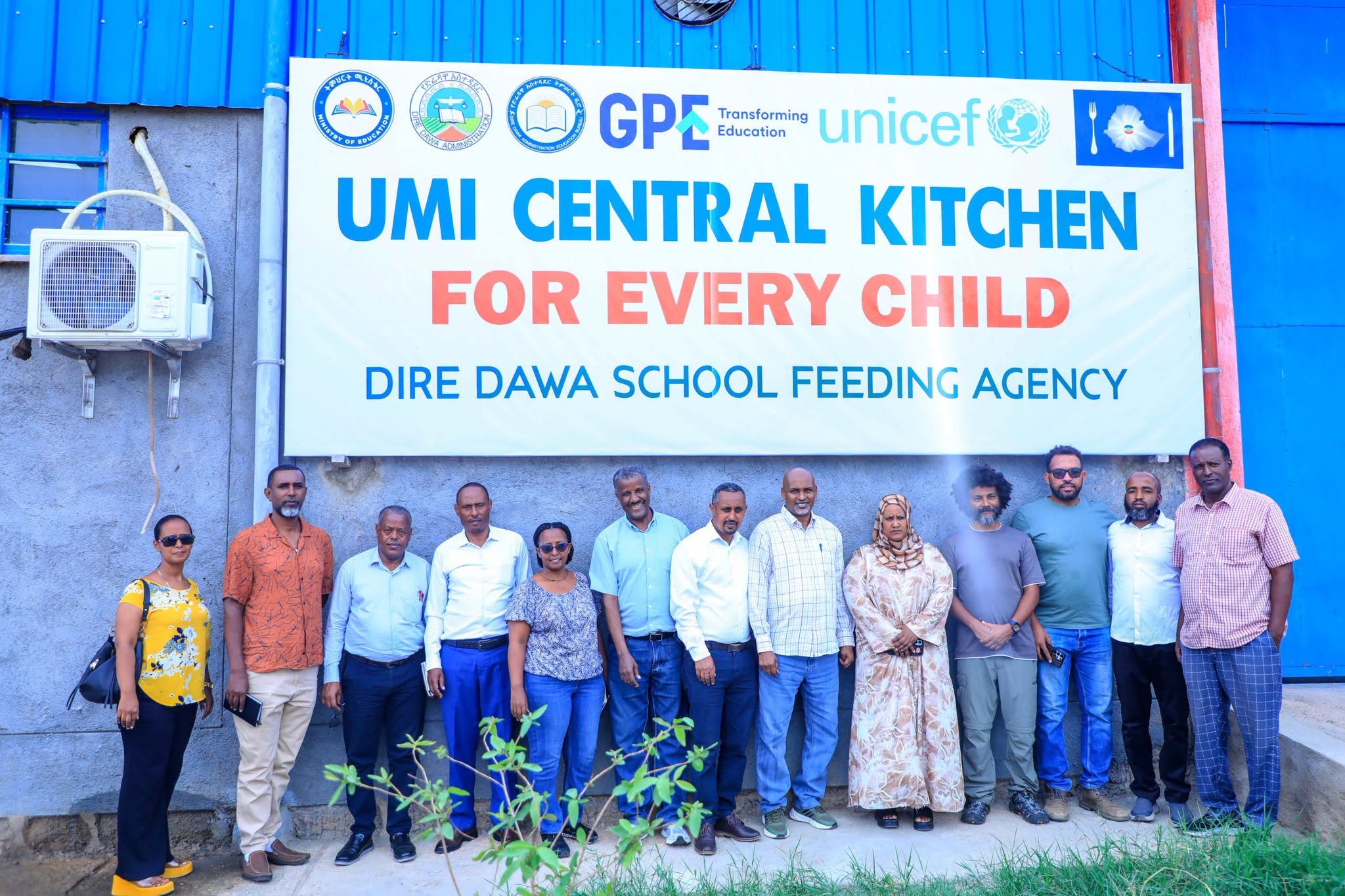
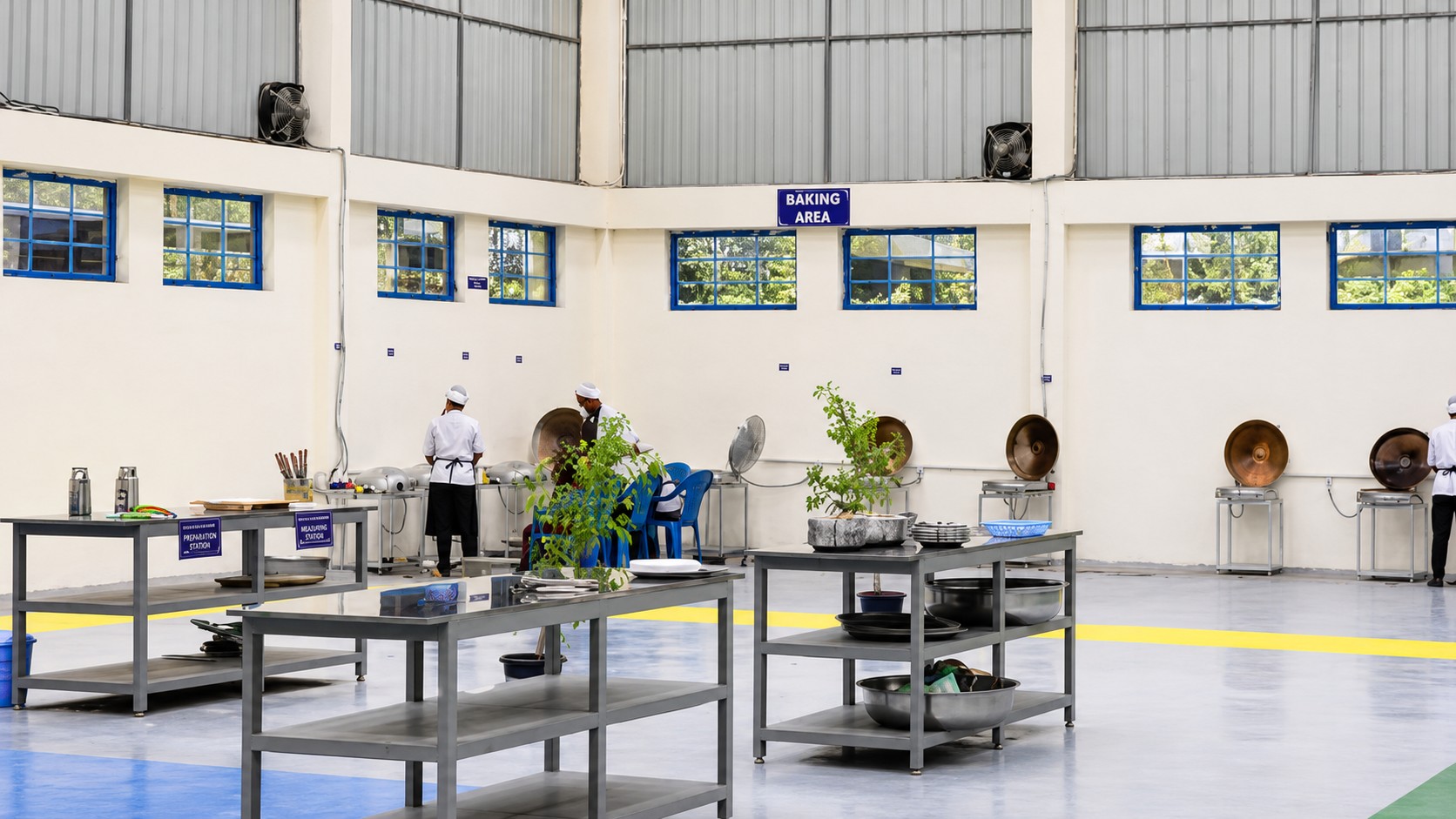
With financial support from UNICEF, ESMI implemented a comprehensive school feeding systems-strengthening initiative in Dire Dawa, supporting school meal provision for more than 10,000 students across five schools. The initiative links legal frameworks, financing mechanisms, smart kitchen infrastructure, smart farming, and local food systems to build a sustainable school feeding model that improves child nutrition, strengthens education, and supports community resilience.
Integrated Solutions
ESMI connects policy, nutrition, agriculture, kitchens, food quality, and youth opportunity into one practical school feeding ecosystem.
School Feeding
ESMI supports governments, schools, and communities in designing, strengthening, and institutionalizing sustainable school feeding systems.
Goal
To build sustainable, efficient, and scalable school feeding systems that improve child nutrition and education outcomes.
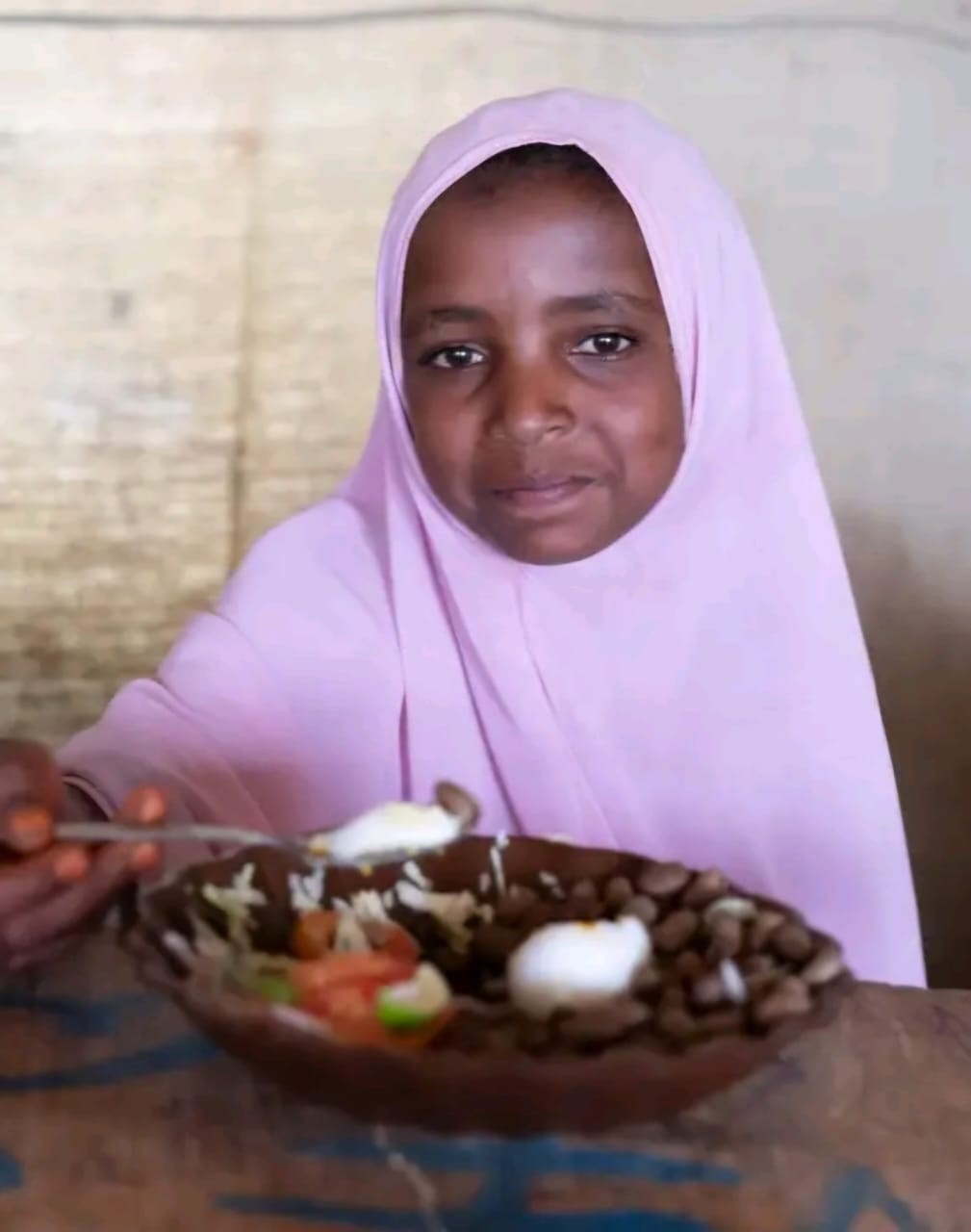
Our Impact at a Glance
Advancing sustainable school feeding systems in Ethiopia
Strengthening school feeding policies and institutional frameworks
Improving access to nutritious meals for school children
Reducing hunger-related barriers to learning and school participation
Connecting school feeding with climate-smart agriculture and local food supply chains
Developing future agripreneurs and community leaders
Building locally owned, sustainable school feeding systems
What ESMI Does
IMPACT IN ACTION
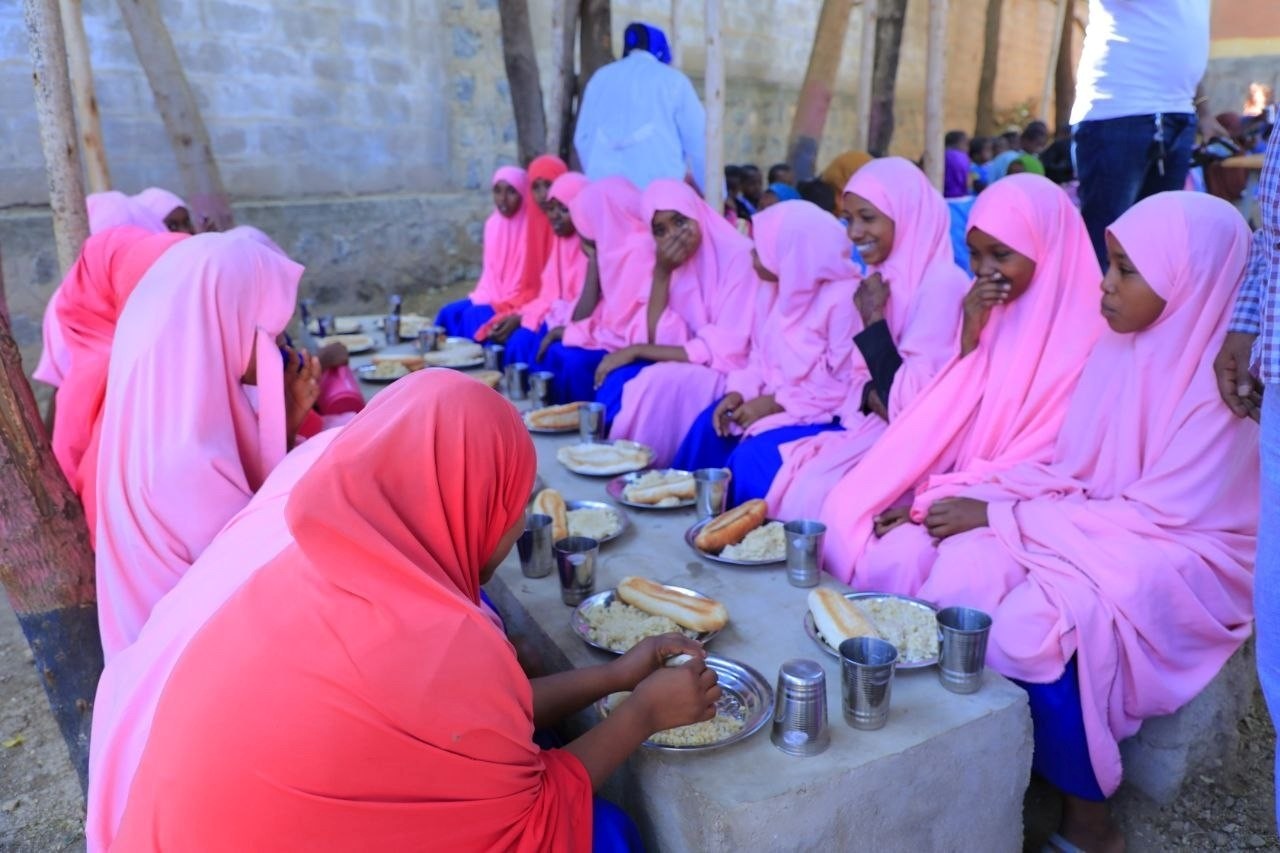
Ethiopia and future regional collaboration platforms
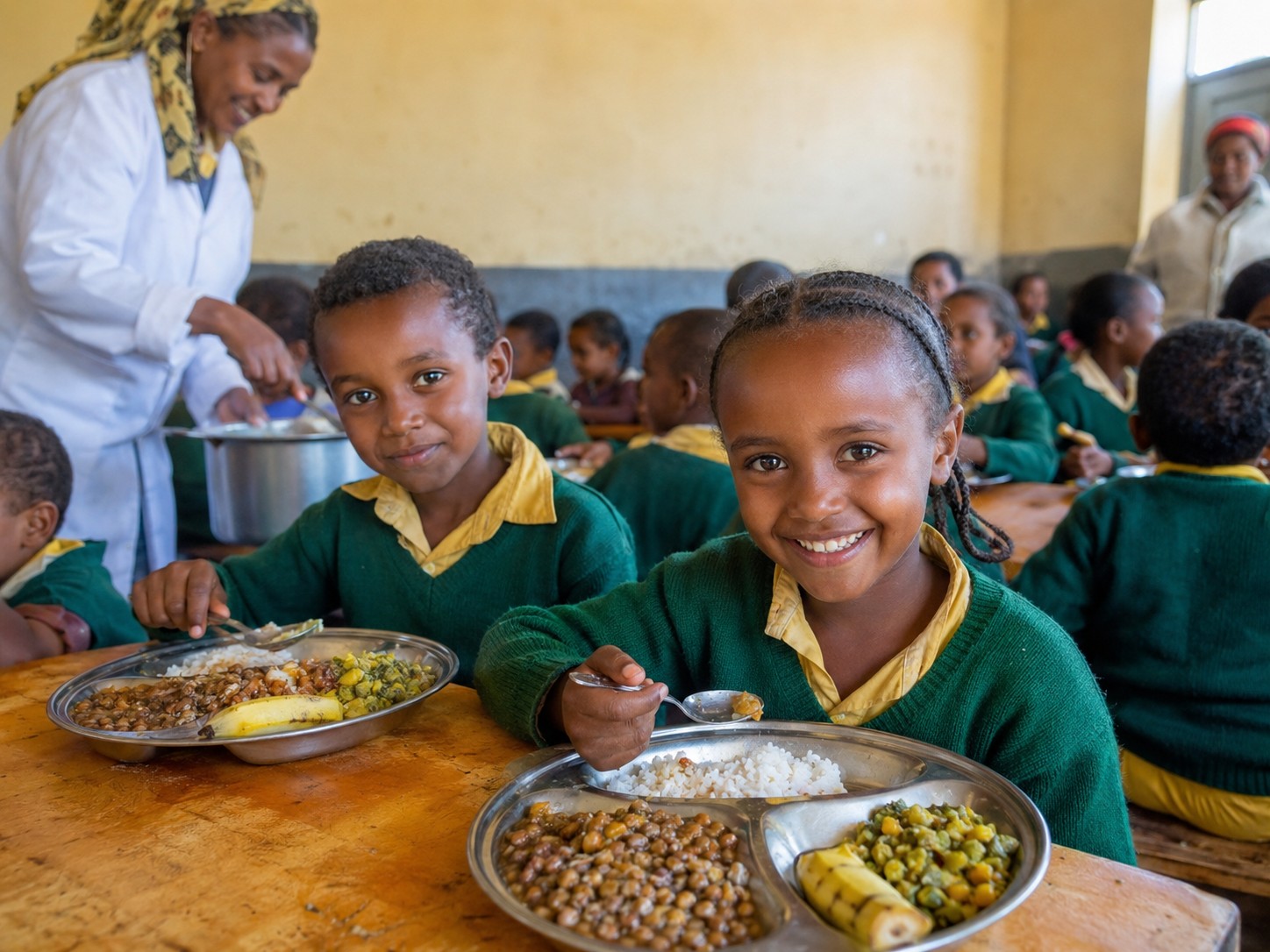
Improving child nutrition through school feeding
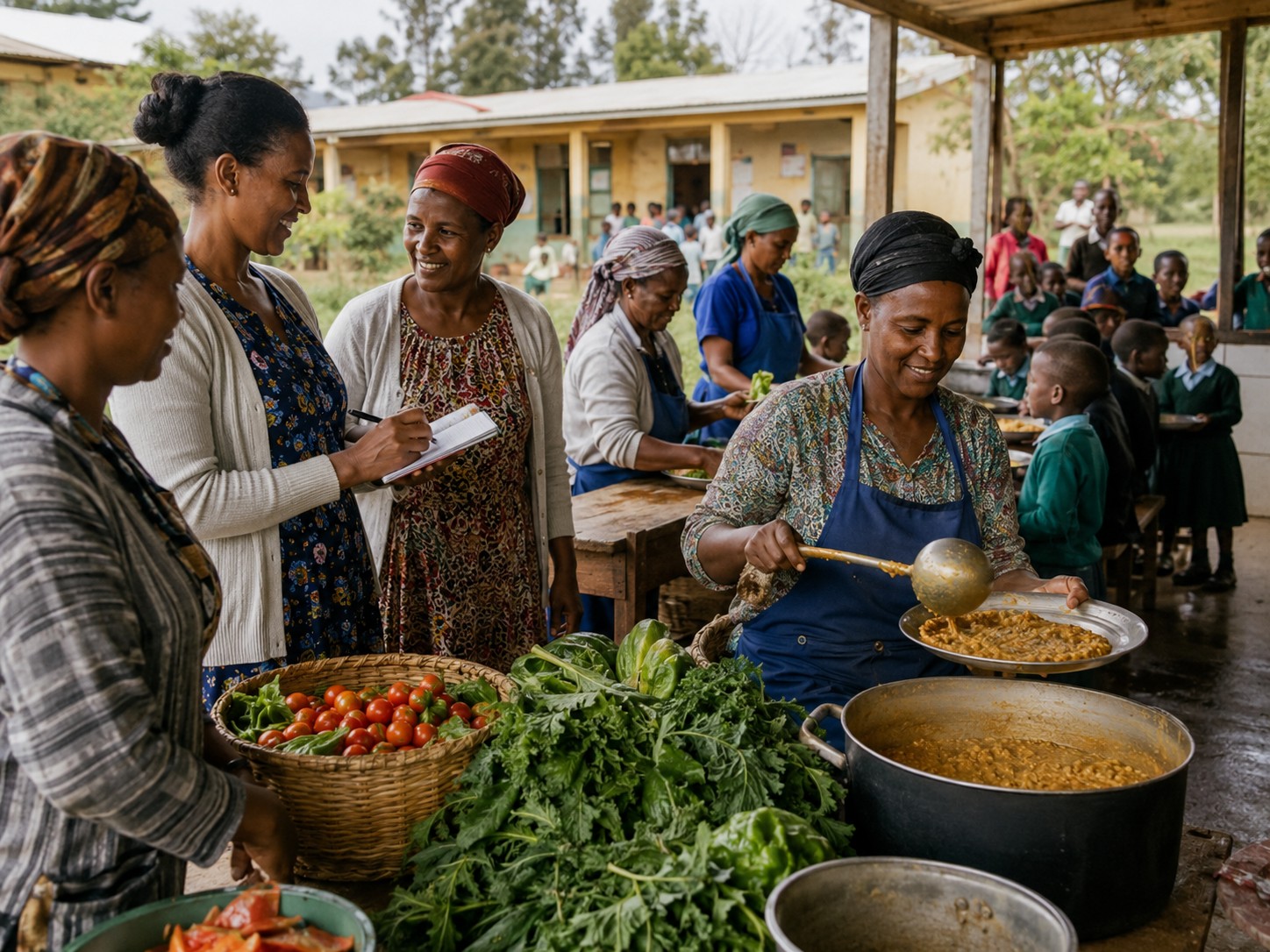
Supporting women, families, and local communities
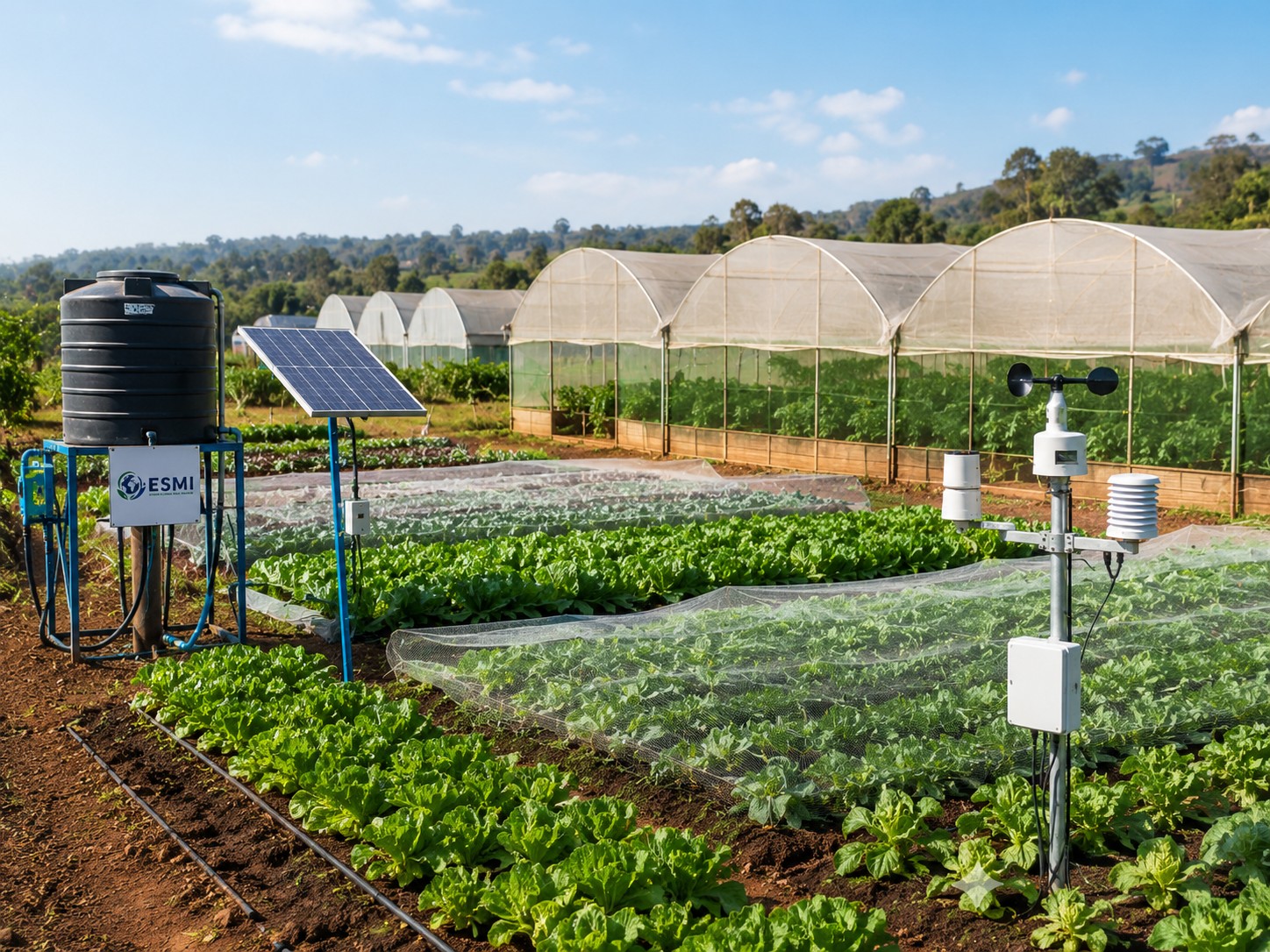
Sustainable food production for school feeding systems
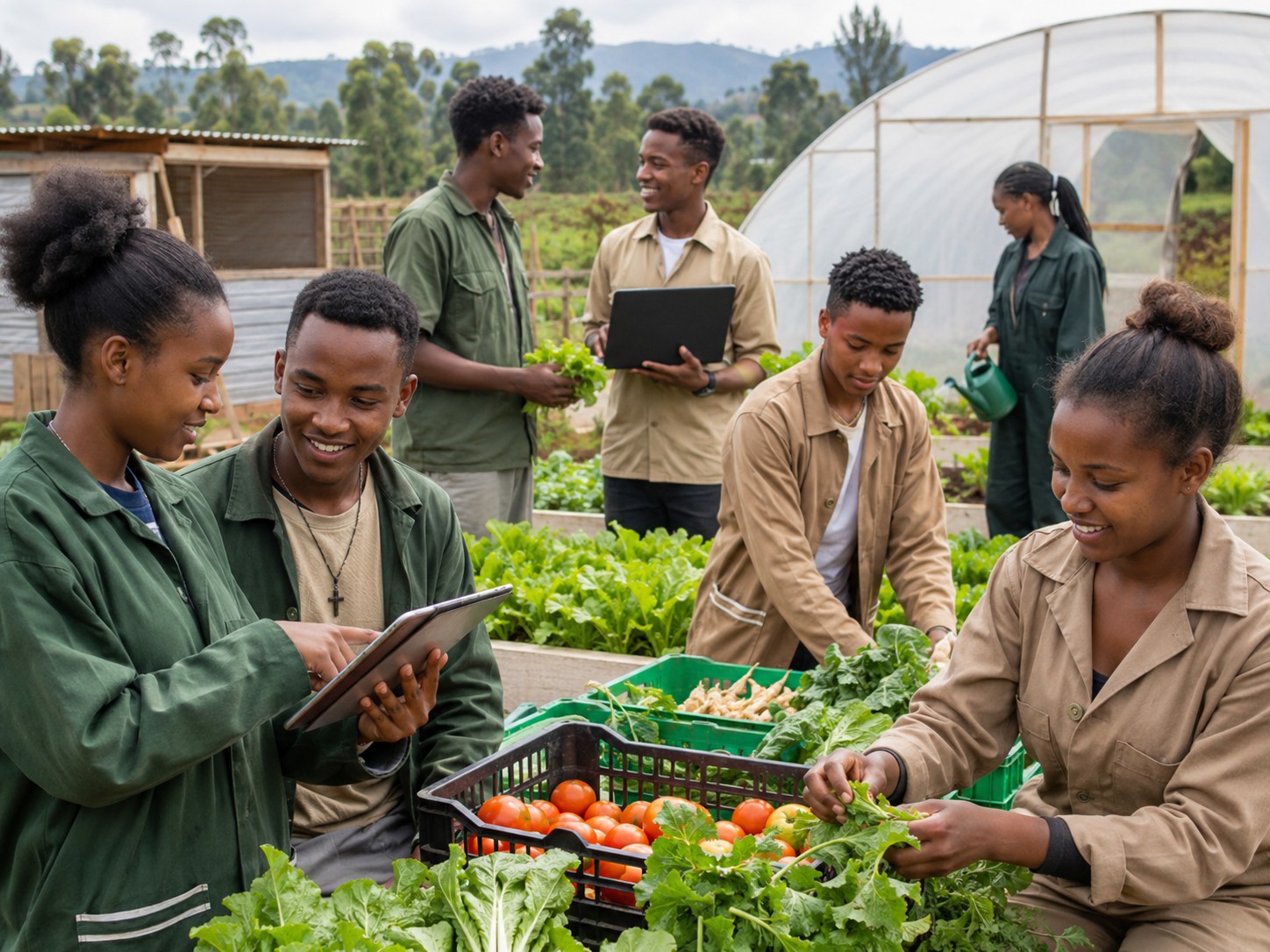
Preparing young people for agriculture, food systems, and community leadership
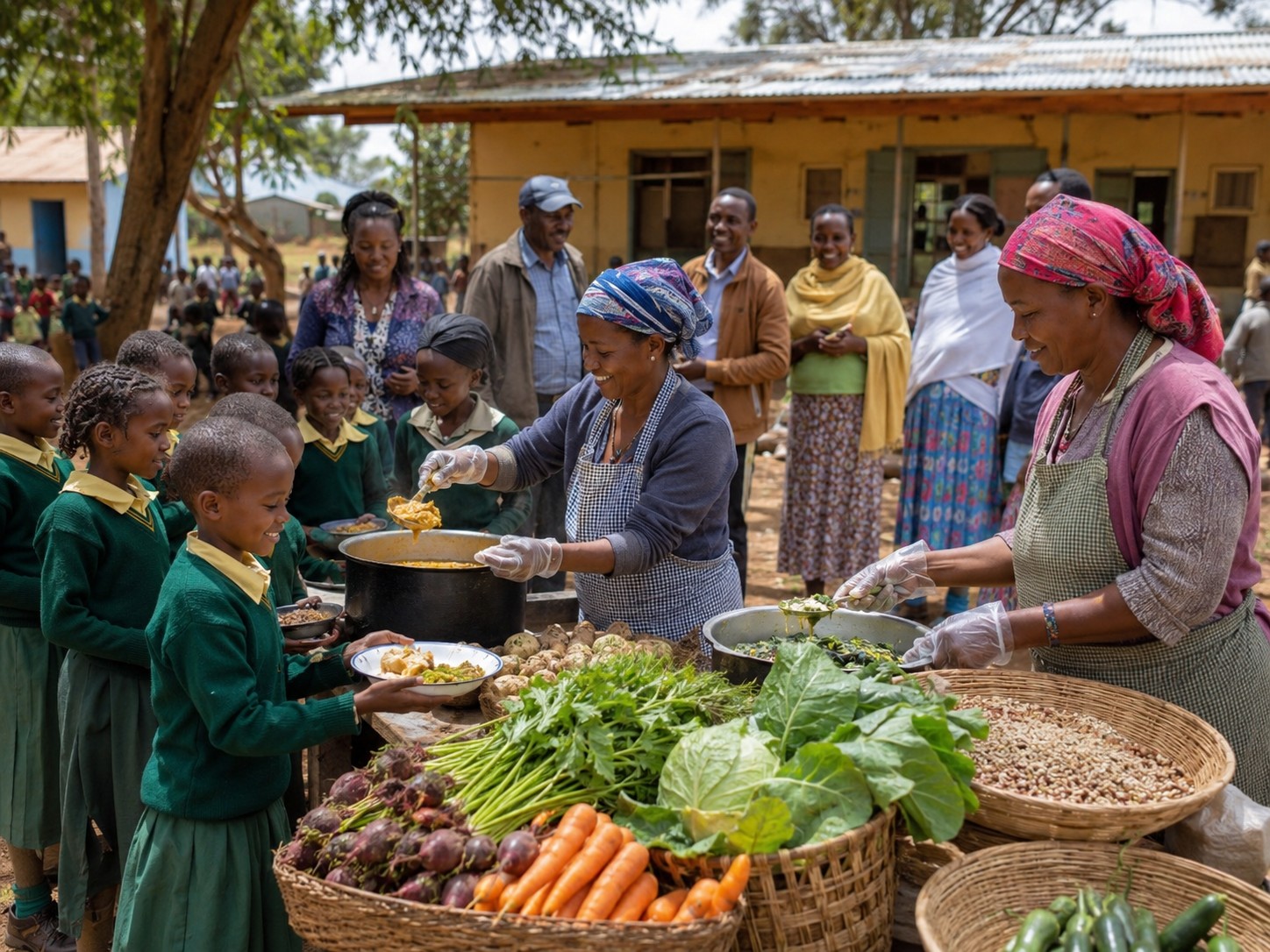
Building resilient communities through sustainable school feeding
ESMI works at the intersection of school feeding, child nutrition, agriculture, women’s economic empowerment, youth development, and community ownership.
Explore Programs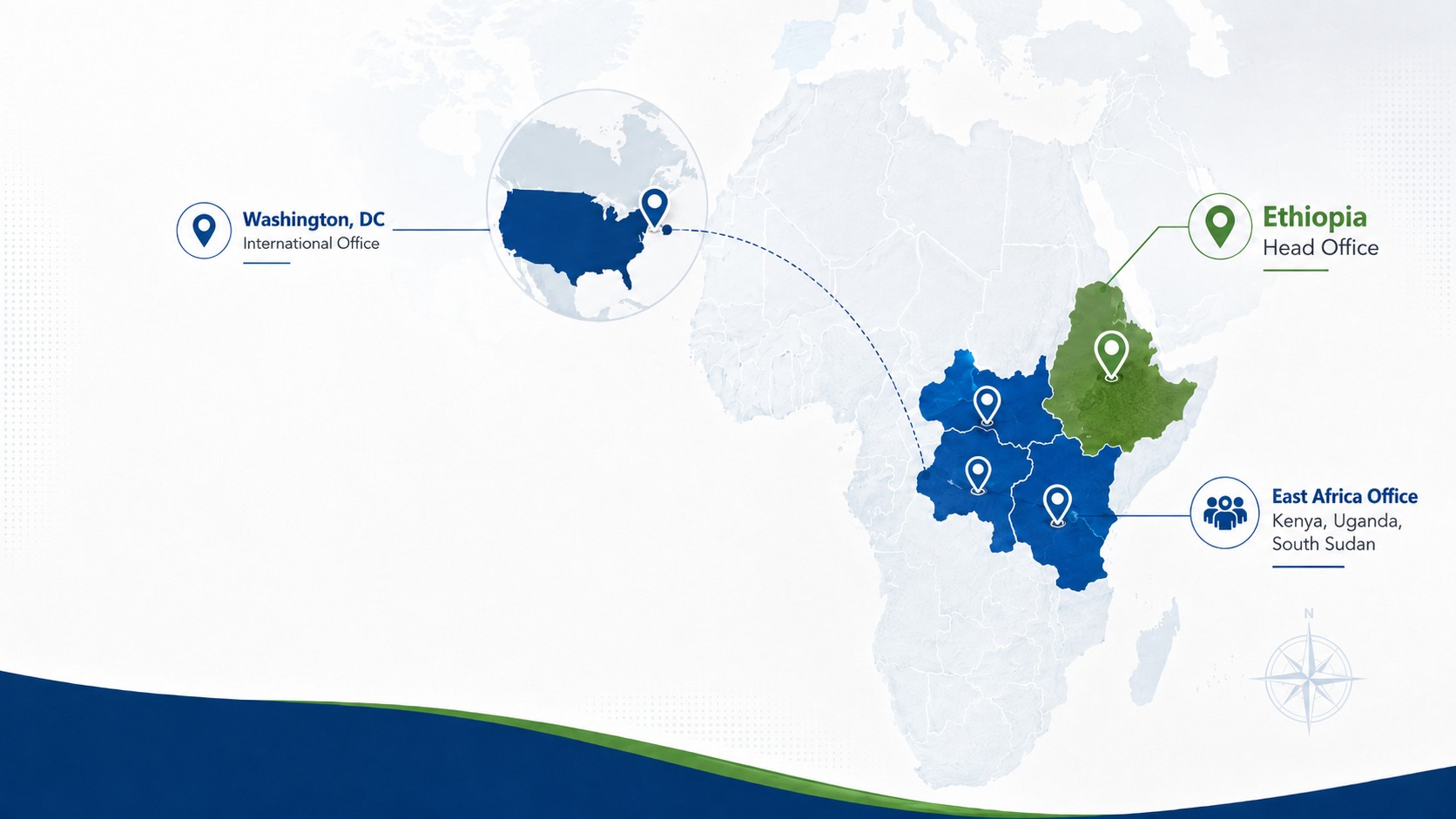
GLOBAL EXPANSION
To accelerate innovation, partnership, and sustainable development, ESMI is planning future regional and international collaboration platforms while continuing to strengthen its national programs and headquarters in Ethiopia.
National Headquarters — Program implementation, policy engagement, systems development, research, and innovation.
Kenya, Uganda, and South Sudan — Planned regional platform for school feeding innovation, youth empowerment in agripreneurs, smart farming, knowledge exchange, and cross-border collaboration.
Planned international platform for strategic partnerships, donor engagement, global advocacy, research collaboration, and resource mobilization.
NEWS & INSIGHTS
October 15, 2027

ESMI works alongside governments, United Nations agencies, development partners, foundations, academic and research institutions, private sector partners, schools, and local communities to strengthen school feeding systems, improve child nutrition, empower youth, and build resilient food systems.
Through strategic partnerships, ESMI transforms school feeding into a platform for education, economic growth, social inclusion, and long-term community resilience.