Child Nutrition
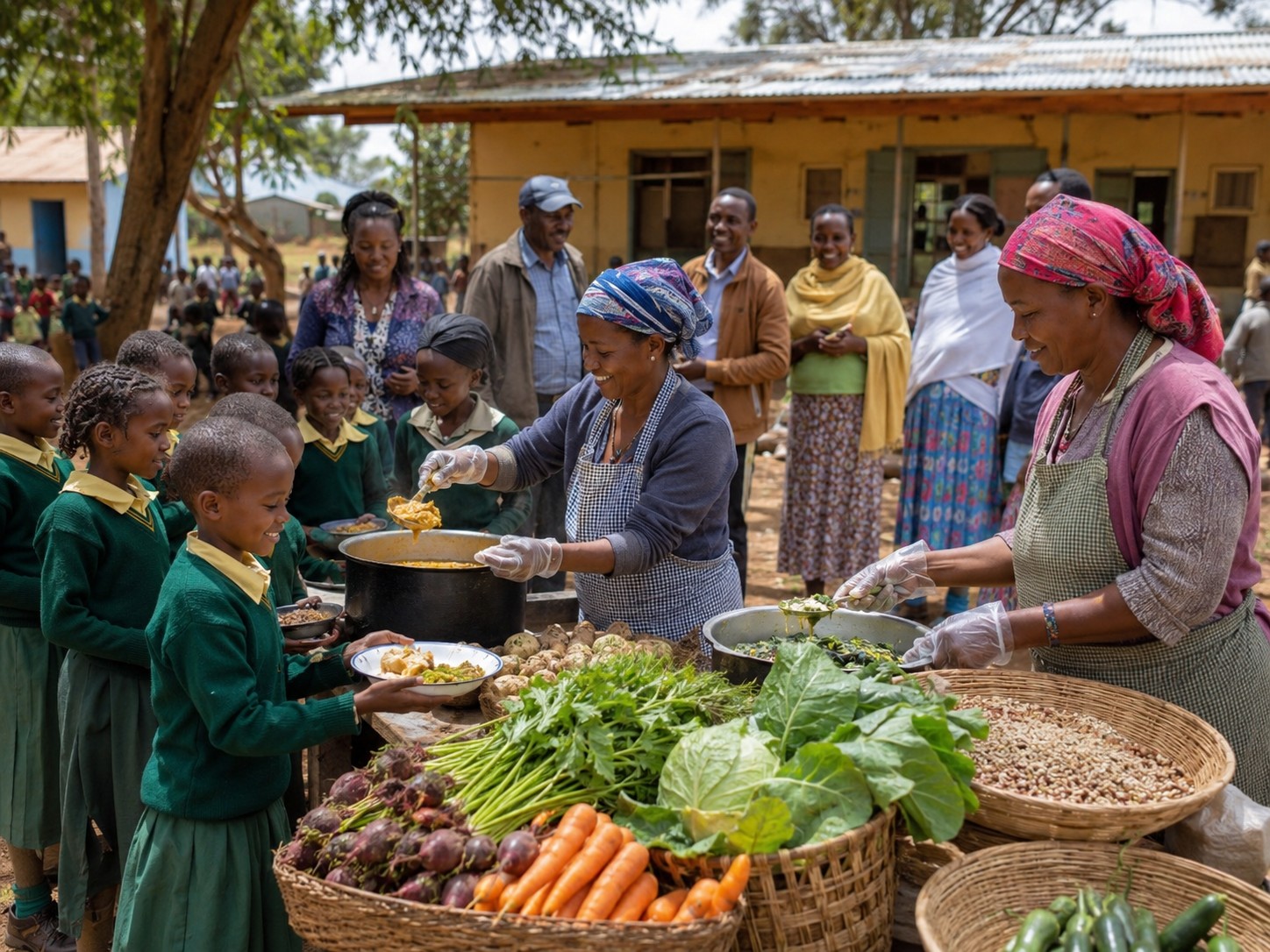
Improving access to nutritious meals that support healthy growth, dietary diversity, and learning readiness.
Impact
For more than a decade, ESMI has worked to strengthen school feeding systems, improve child nutrition, influence policy reform, empower communities, and create sustainable solutions that benefit children, schools, farmers, women, and youth. ESMI's impact extends beyond meals. It contributes to education, health, economic opportunity, food security, and national development.
Impact Focus
School Feeding Systems Transformation
Strengthening child nutrition, education, community development, agriculture, women’s empowerment, youth empowerment, and policy systems through sustainable school feeding models.
Impact Overview
Since its establishment, ESMI has served as a leading advocate and architect of sustainable school feeding systems in Ethiopia.
Through policy leadership, community engagement, technical assistance, and strategic partnerships, ESMI has helped reposition school feeding from a short-term welfare intervention into a long-term development investment.
ESMI's impact extends beyond meals. It contributes to child nutrition, education, community development, agriculture and food systems, women's economic empowerment, youth empowerment, and policy transformation.
Child Nutrition
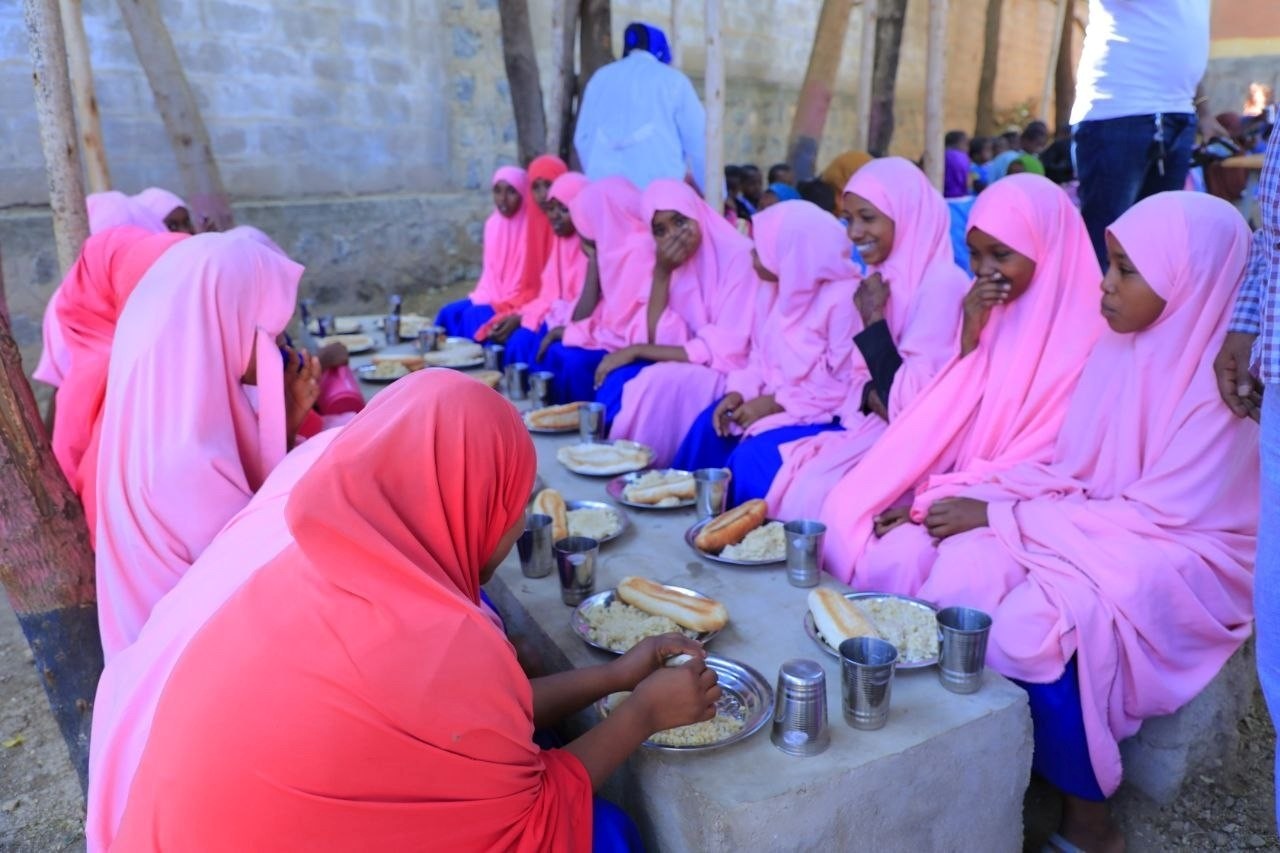
Improving access to nutritious meals that support healthy growth, dietary diversity, and learning readiness.
Education
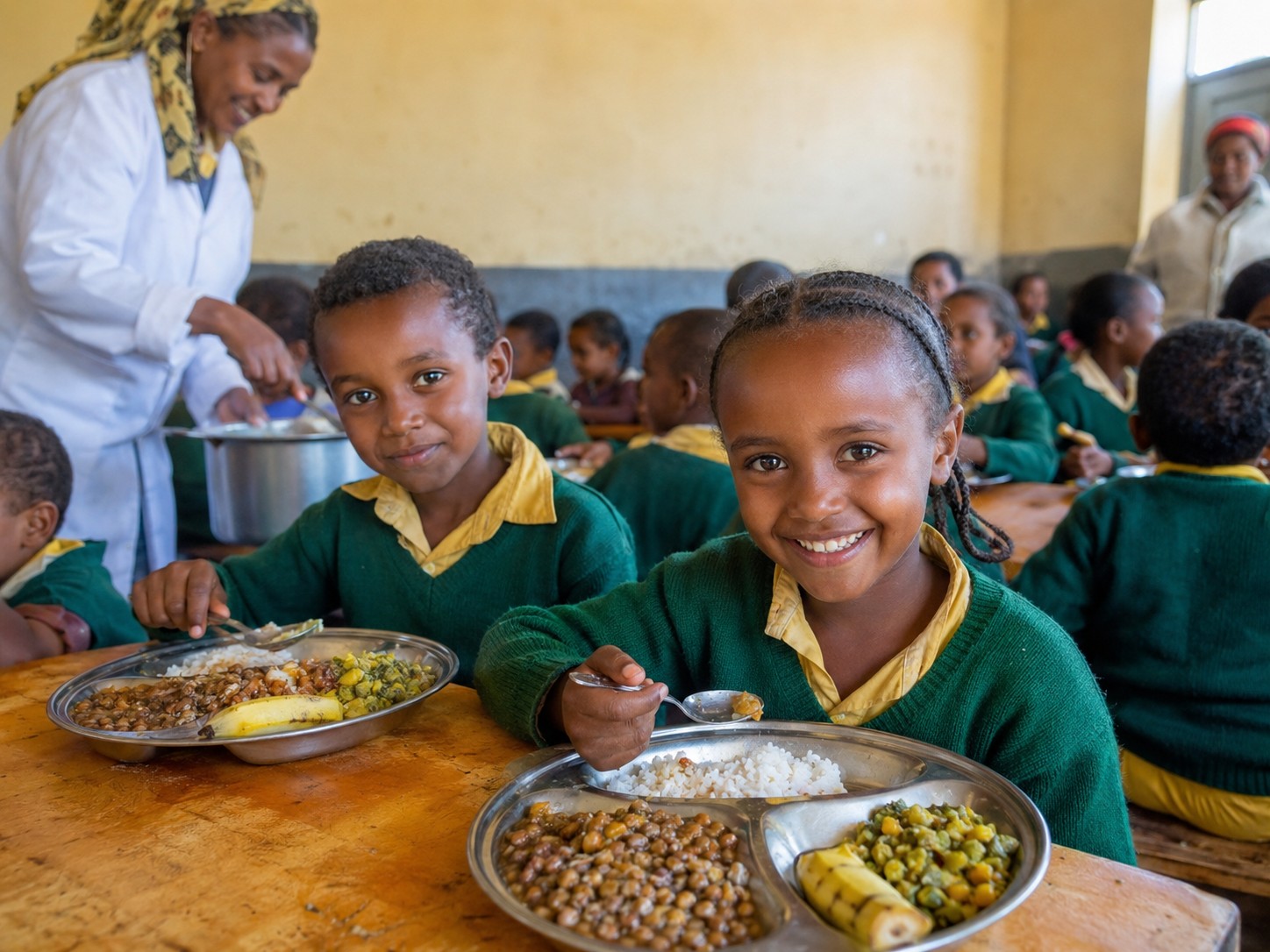
Reducing hunger-related barriers to school attendance, concentration, retention, and learning.
Community Development
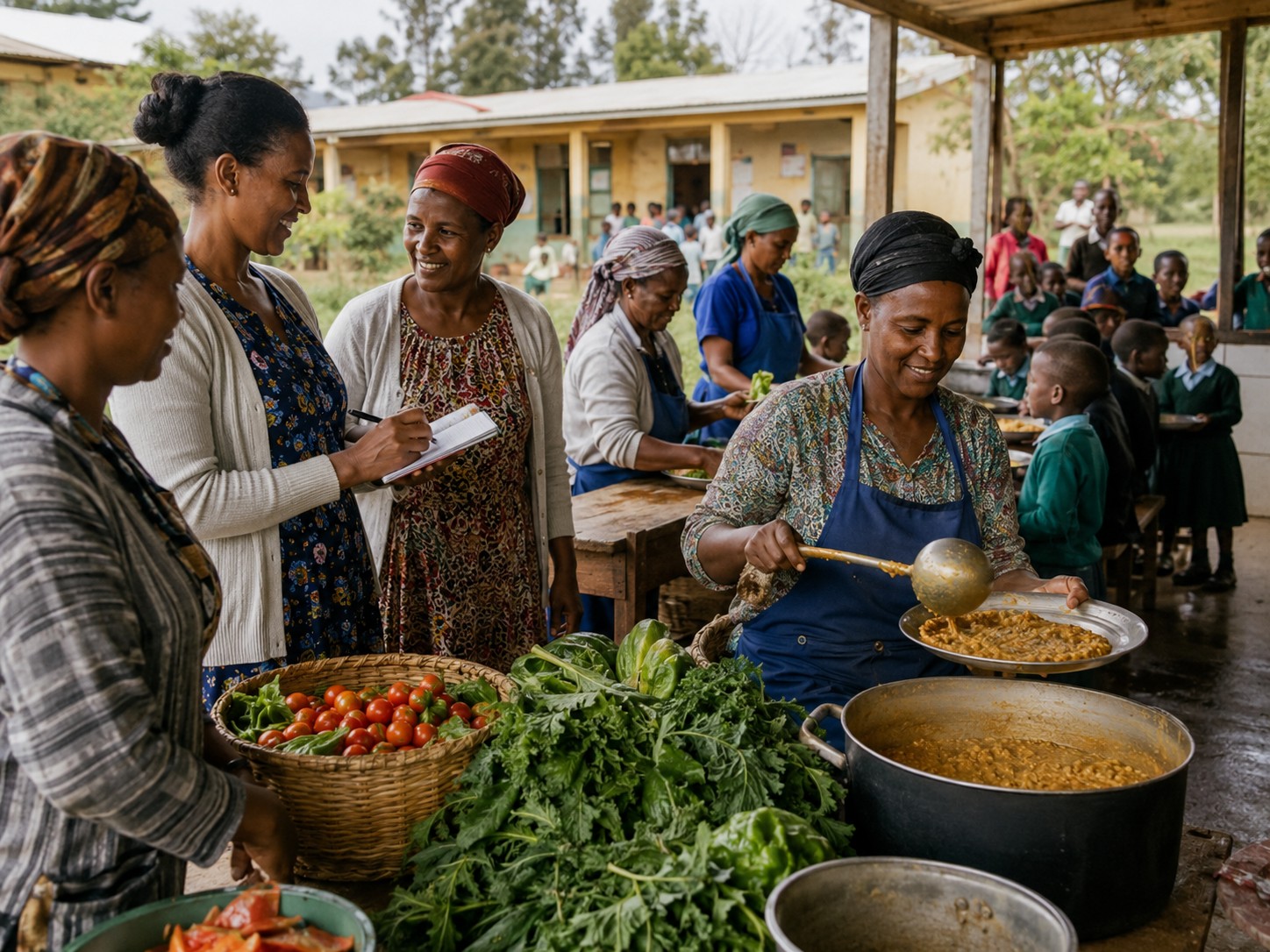
Strengthening community-led implementation, local partnerships, and sustainable ownership.
Agriculture and Food Systems
Creating links between school feeding, local food sourcing, farmers, and food supply systems.
Women's Economic Empowerment
Supporting employment, skills development, income opportunities, and leadership in school feeding value chains.
Youth Empowerment
Developing agripreneurship, leadership, employability, and enterprise opportunities for young people.
Policy and Systems Transformation
Advancing school feeding policy, financing mechanisms, institutional frameworks, and long-term systems change.
Our Work Across Dimensions
ESMI's impact goes beyond meal provision. Through sustainable school feeding systems, ESMI contributes to child nutrition, education, community development, agriculture and food systems, women's economic empowerment, youth empowerment, and long-term systems transformation.
Improving access to nutritious meals that support healthy growth, dietary diversity, wellbeing, and learning readiness.
Reducing hunger-related barriers to school attendance, concentration, retention, and academic performance.
Strengthening community-led implementation, local partnerships, ownership, and long-term sustainability.
Creating links between school feeding, local food sourcing, farmers, cooperatives, and resilient food supply systems.
Supporting employment, skills development, income opportunities, and leadership within school feeding value chains.
Developing agripreneurship, leadership, employability, innovation, and enterprise opportunities for young people.
Advancing school feeding policy, financing mechanisms, institutional frameworks, and sustainable implementation models.
Impact Stories
01
ESMI's early work in and around Sekota demonstrated that school feeding can be practical, community-owned, and connected to local economic systems. Through school milk programs and the promotion of dairy farms near schools, ESMI helped show how nutrition, education, agriculture, and local livelihoods can work together.
02
ESMI's community-owned models in Bahir Dar and Sebeta helped promote school feeding as a national development priority and contributed to wider recognition of school meals as a strategic public investment.
03
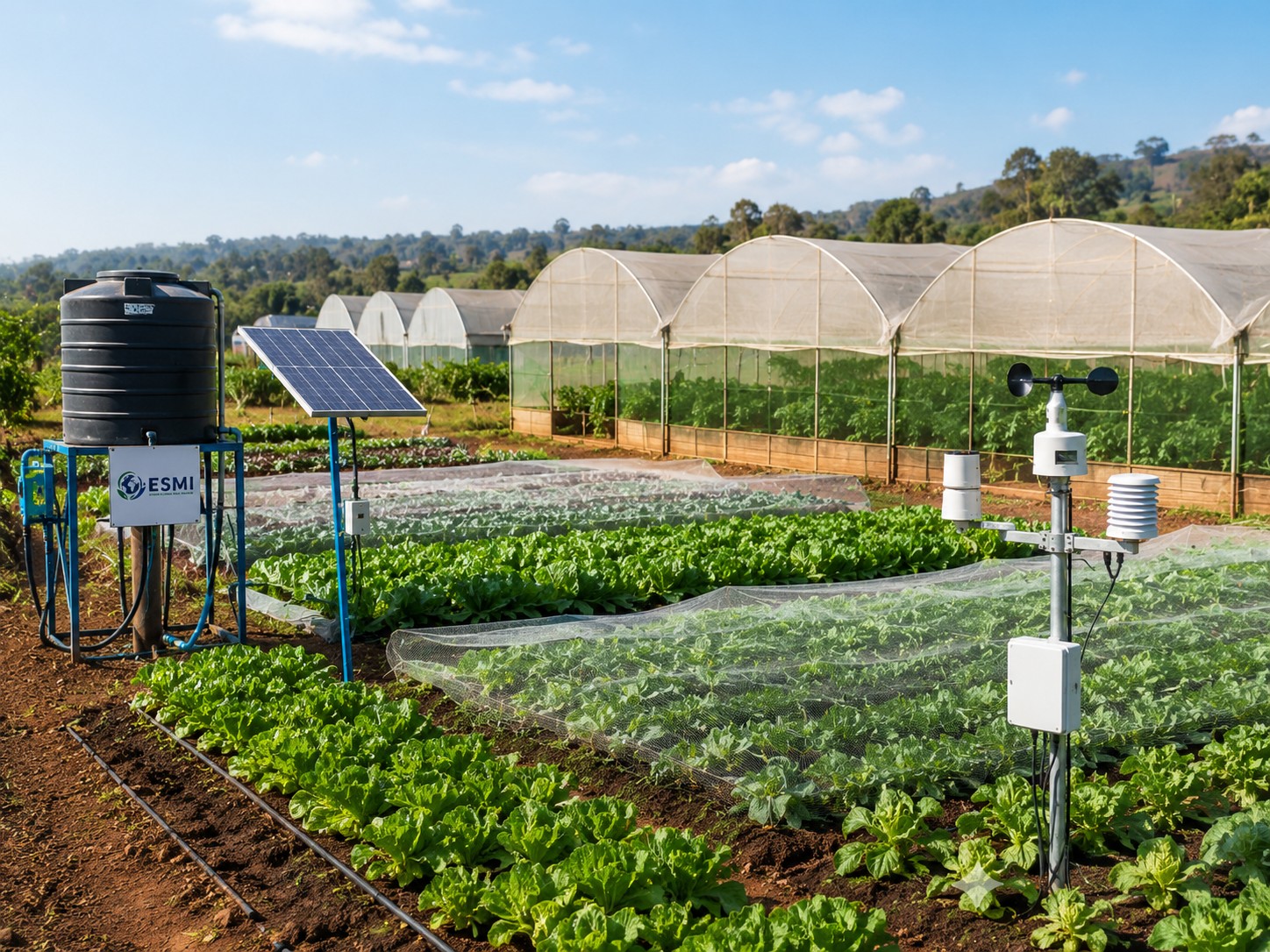
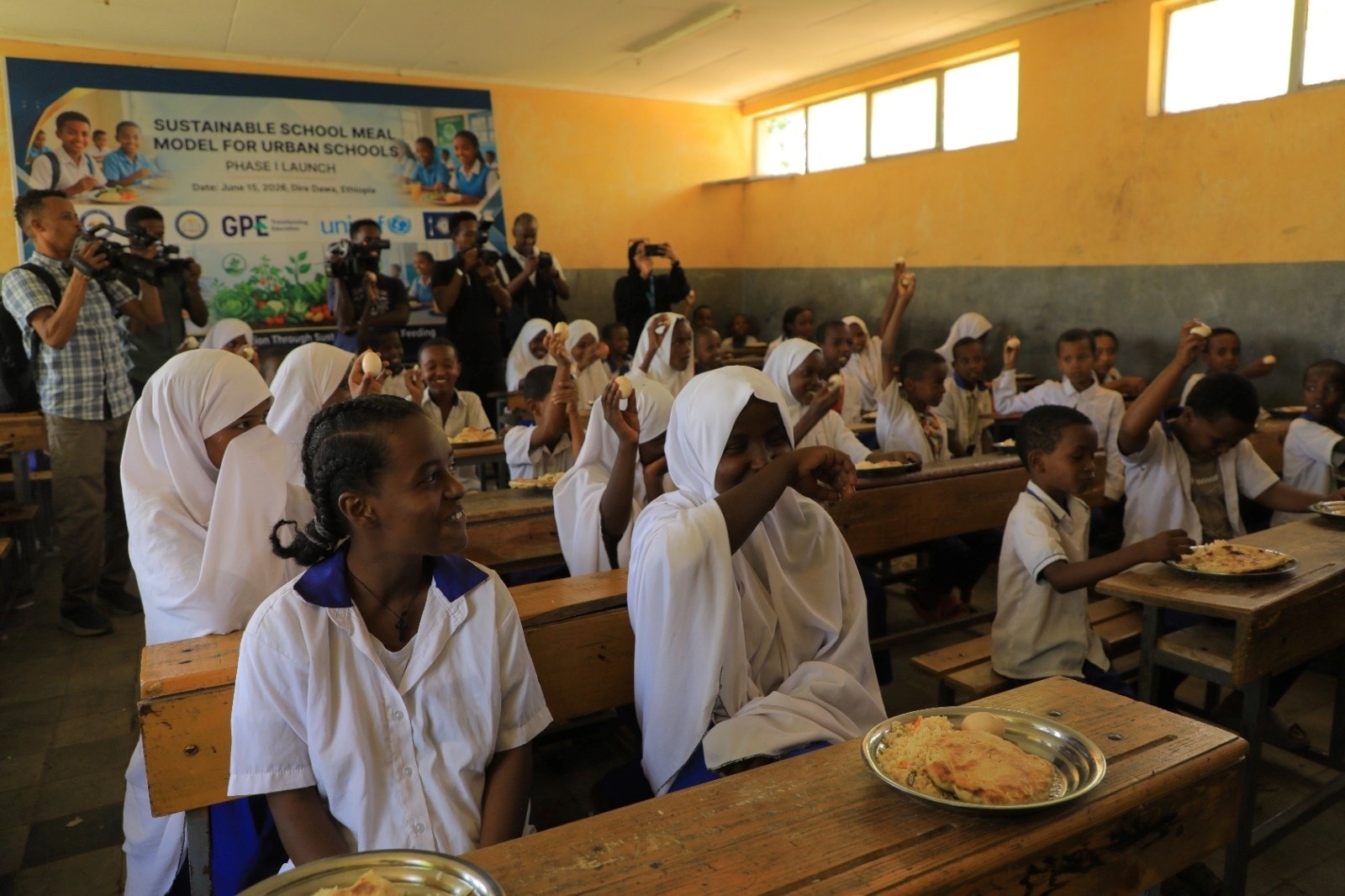
With financial support from UNICEF, ESMI implemented a comprehensive school feeding systems-strengthening initiative in Dire Dawa. The initiative links legal frameworks, financing mechanisms, smart kitchen infrastructure, smart farming, and local food systems to support sustainable school feeding.
04
ESMI's work demonstrates that school feeding is not simply about food. It is about building human capital, strengthening food systems, supporting economic development, improving educational outcomes, and building resilient communities.
Gallery