01
Vision
To see well-nourished, healthy, productive, motivated, and happy children who have the opportunity to achieve their full potential and contribute meaningfully to society
About ESMI
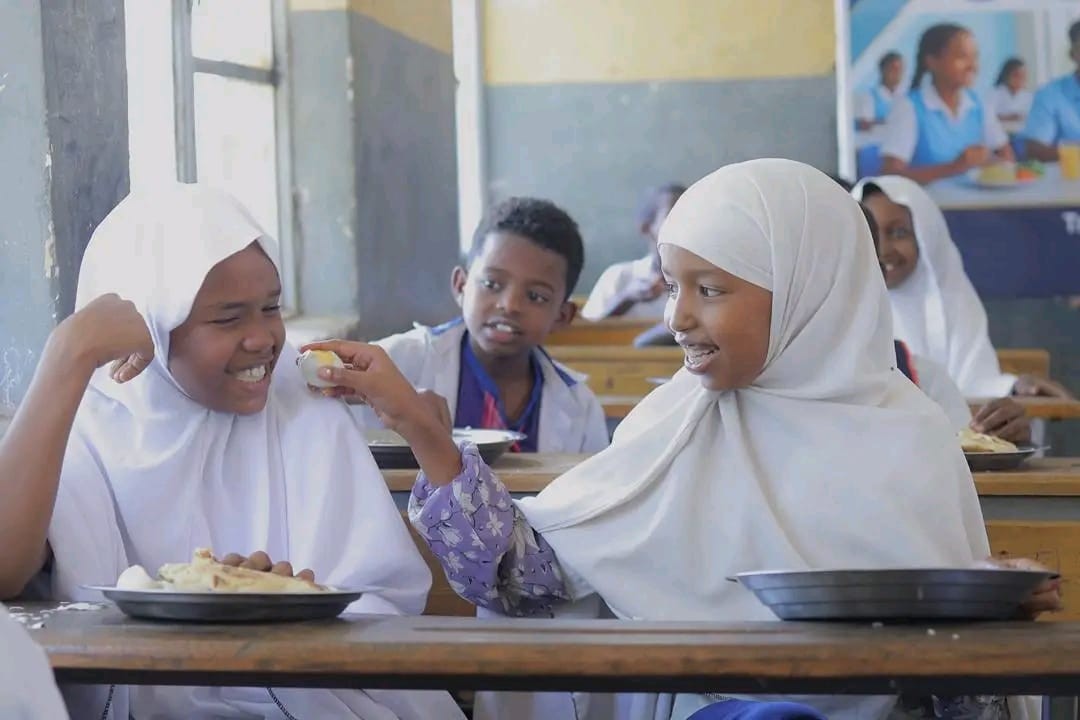
The Ethiopia School Meal Initiative (ESMI) is a pioneering non-profit organization dedicated to strengthening school feeding systems, improving child nutrition, advancing educational outcomes, and building resilient food systems through innovation, policy leadership, and community-driven development. Since 2013, ESMI has been working to transform school feeding from a charitable intervention into a sustainable national development strategy that creates lasting benefits for children, families, schools, farmers, women, and youth.
Since
2013
Transforming school feeding into a sustainable national development strategy.
Who We Are
ESMI was established with a simple but transformative belief: no child should be expected to learn while hungry.
Founded by education advocate Ms. Frealem Shibabaw, ESMI emerged from the recognition that hunger remains one of the most significant barriers to educational achievement, child development, and equal opportunity.
Over the years, ESMI has evolved into a leading organization working at the intersection of school feeding systems, child nutrition, education development, climate-smart agriculture, food systems transformation, youth empowerment, community development, and policy reform.
Our Story
The inspiration behind ESMI began with a powerful observation: a young student came to school with an empty lunch box because his family could not afford to provide food.
What appeared to be a single case revealed a larger national challenge. Children were arriving at school hungry, struggling to concentrate, missing classes, and sometimes dropping out altogether.
This experience helped shape ESMI’s mission to advance sustainable school feeding systems that support children’s nutrition, education, dignity, and future opportunity.
Our Approach
ESMI’s model goes beyond meal provision by connecting child nutrition, education, agriculture, youth development, women’s economic participation, and community ownership into one integrated school feeding ecosystem.
Through this approach, ESMI works to create sustainable, community-driven solutions that improve lives, strengthen schools, and build resilient food systems.
Core Direction
Three foundational pillars guide ESMI’s work.
To see well-nourished, healthy, productive, motivated, and happy children who have the opportunity to achieve their full potential and contribute meaningfully to society
To engage governments, communities, schools, development partners, and stakeholders in establishing sustainable school meal programs that uphold children’s right to food while contributing to education, health, economic growth, and national development.
To advance sustainable and inclusive school feeding systems that directly benefit school children while creating opportunities for women, local farmers, youth, and communities.
Core Beliefs
The fundamental principles that guide all ESMI programs.
Every child deserves access to nutritious food regardless of social or economic status.
No child should be denied the opportunity to learn because of food insecurity.
School meals strengthen education, productivity, health, and long-term national development.
Sustainable solutions emerge when communities are empowered and actively engaged.
Every child should benefit from school feeding without discrimination or exclusion.
Children are the foundation of future prosperity, stability, and growth.
Why School Feeding Matters
School feeding is one of the most effective investments a country can make in its future. A well-designed school feeding system contributes to child nutrition, education, local economies, youth employment, women’s empowerment, and sustainable food systems.
Improved Child Nutrition
Reducing hunger and improving dietary diversity among school-aged children.
Better Educational Outcomes
Increasing school attendance, concentration, retention, and academic performance.
Stronger Local Economies
Creating reliable markets for local farmers, cooperatives, and food suppliers.
Youth Employment Opportunities
Supporting agripreneurship, food production, processing, logistics, and innovation.
Women’s Economic Empowerment
Promoting climate-smart agriculture, local food sourcing, and community resilience.
Sustainable Food Systems
Promoting climate-smart agriculture, local food sourcing, and community resilience.
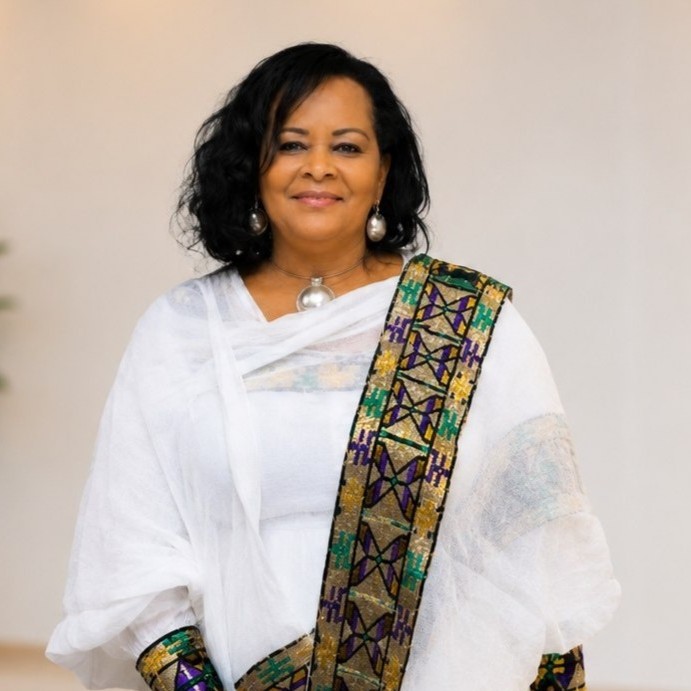
A Mother to Millions and Visionary Leader in School Feeding
Ms. Frealem Shibabaw, also known as Fray, is the founder and visionary behind the Ethiopia School Meal Initiative. Her life’s work has centered on a simple but powerful mission: no child should try to learn while hungry.
Through years of practical school milk initiatives, community-supported models, and national advocacy, she helped position school feeding as a long-term investment in child nutrition, education, public health, and national development.
In communities such as Wag Hemra and beyond, Ms. Frealem has been affectionately called “Enatalem” — Mother of the World. The title reflects years of service to children whose dignity, education, and future she has worked to protect.
"No child should try to learn while hungry"
— Ms. Frealem Shibabaw

Driving Innovation, Entrepreneurship, and Sustainable Development
Mr. Bejai Naiker Nerash is the Program Advisor and Project Supervisor at ESMI Global, bringing extensive experience in engineering, entrepreneurship, youth empowerment, and sustainable development. His work focuses on transforming innovative ideas into practical solutions that create lasting social and economic impact.
As a leading entrepreneur in the fabrication and engineering sector and a doctoral candidate, Mr. Bejai has led youth capacity-building and entrepreneurship programs across Ethiopia and other African countries. His expertise spans leadership development, innovation, agripreneurship, skills development, and technology-driven solutions that empower young people and strengthen communities.
Through his strategic guidance, ESMI continues to develop innovative school feeding systems, youth empowerment initiatives, and sustainable development programs that improve livelihoods and create opportunities for future generations.
"Innovation creates opportunities, but empowered people create lasting change."
— Mr. Bejai Naiker Nerash
Founder Achievements and Contributions
Decades of leadership in education and community development
Founder and Executive Director of Ethiopia School Meal Initiative
Founder of Bahir Dar Academy, a model school known for child-centered learning and women-friendly employment practices.
Co-founder and former President of the Amhara Region Association of Women Entrepreneurs
Promoter of community-owned school milk initiatives in Sekota, Bahir Dar, and Sebeta
Advocate for school feeding as a national development strategy, not a short-term welfare intervention.
Author of Building a Nation in a Thousand Days, highlighting the importance of early childhood nutrition and national development
Executive Management Team
ESMI’s Executive Management Team supports the organization’s strategic planning, project development, operations, coordination, human resources, and institutional follow-up.
The team works to ensure the effective delivery of ESMI’s school feeding, child nutrition, smart agriculture, smart kitchen, youth empowerment, and community development initiatives.

Dr. Zewdie Aderaw supports ESMI’s project development, program design, proposal preparation, and partnership engagement. His role contributes to identifying strategic opportunities, developing project concepts, and strengthening ESMI’s capacity to mobilize resources for sustainable school feeding, smart farming, smart kitchen, and youth empowerment initiatives.He also supports the preparation of high-quality project documents and helps ensure that ESMI’s program ideas respond to community needs, partner priorities, and long-term systems-strengthening goals.
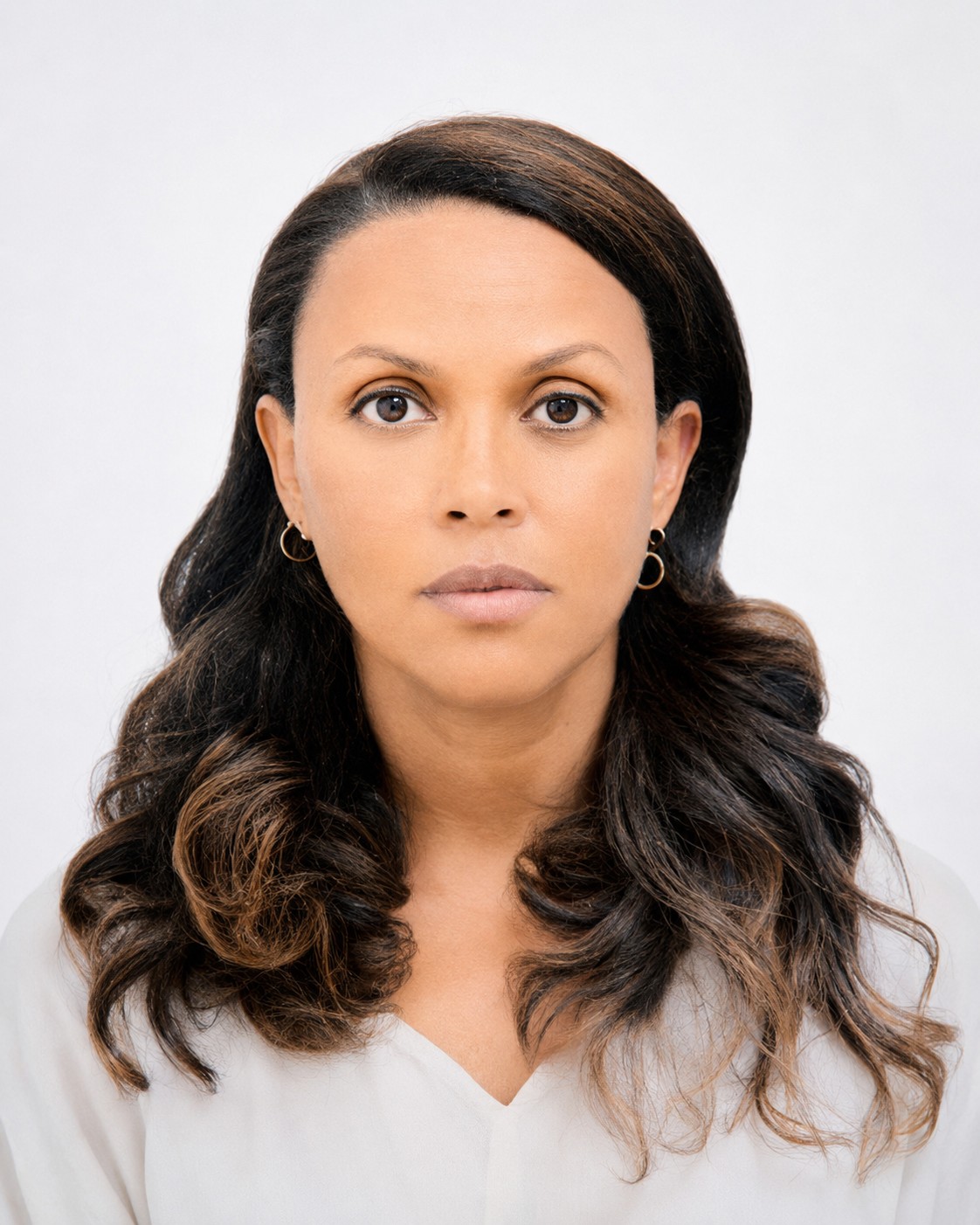
Hana Daniel supports project coordination, activity follow-up, field communication, documentation, and administrative support for ESMI’s program activities.Her role contributes to the smooth implementation of projects by supporting team coordination, organizing project information, following up on assigned tasks, and helping ensure that activities are implemented according to agreed plans and timelines.
Functional Teams
Responsible for program planning, field coordination, and delivery of school feeding, smart farm, smart farming, smart kitchen, and youth activities.
Leads engagement with governments, UN agencies, donors, foundations, private sector partners, and community stakeholders.
Supports transparent financial management, compliance, internal controls, procurement, and responsible stewardship.
Generates evidence, captures learning, supports innovation, and strengthens ESMI delivery models.
Tracks progress, measures outcomes, and supports accountability through data and documentation.
Manages visibility, storytelling, publications, campaigns, media relations, and public engagement.
Leadership & Governance
A collaborative structure supporting transparent decision-making, institutional accountability, and long-term mission delivery.
General Assembly
Board of Directors
Founder and Executive Leadership
Executive Management
Operational and Technical Teams
This is more than a statement. It is ESMI’s commitment to ensuring that every child has access to nutritious meals, quality education, and the opportunity to learn, grow, and thrive.
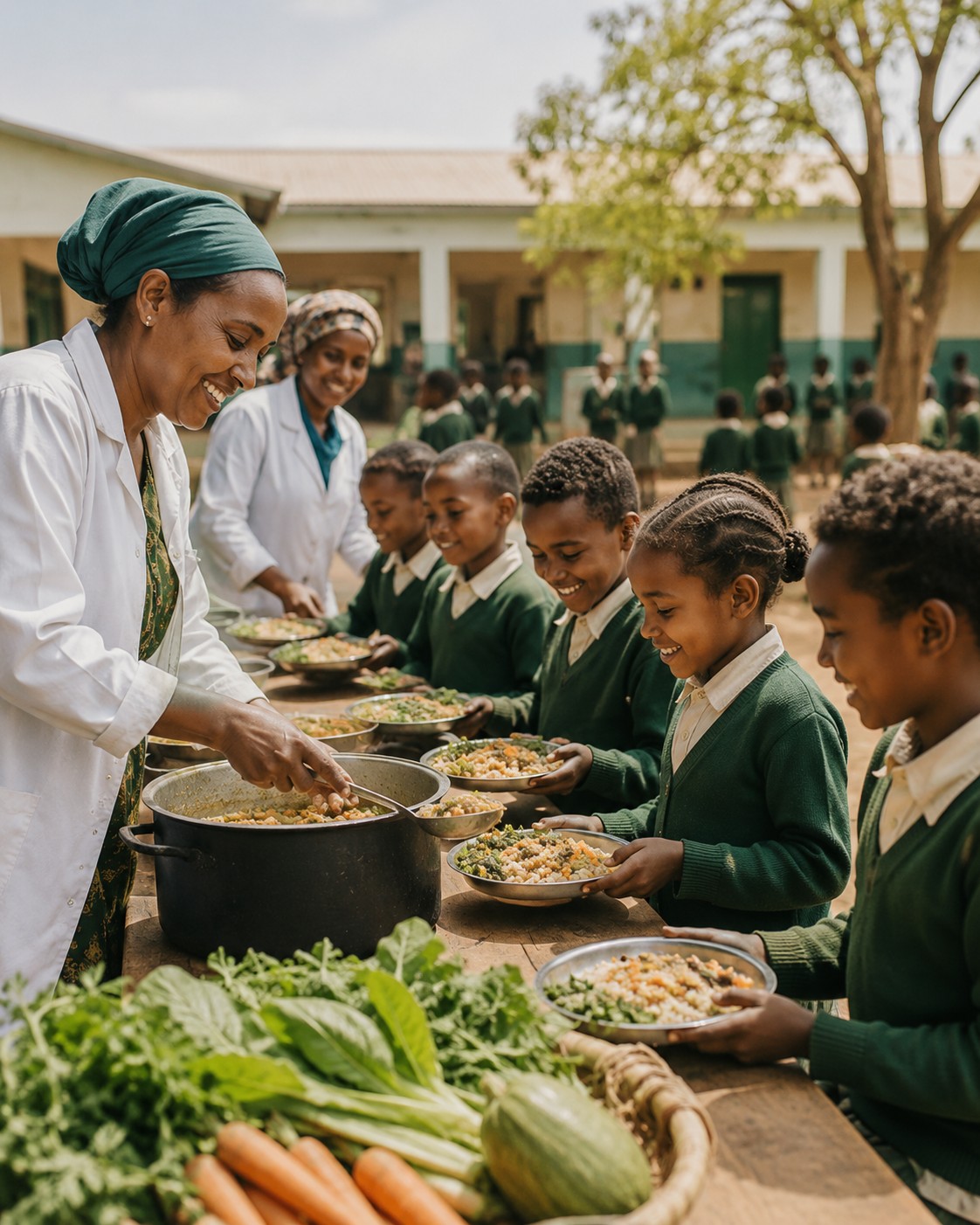
ESMI works to connect policy, infrastructure, agriculture, schools, communities, and partners into sustainable school feeding systems that create lasting impact for children and future generations.
Child Nutrition
Improving access to nutritious meals that support healthy growth and development.
Schools Supported
Strengthening school feeding systems that improve learning readiness and school participation.
Community Impact
Building locally owned solutions that support families, schools, and communities.
Systemic Change
Advancing school feeding as a sustainable national development strategy.
WHAT WE FOCUS ON