Programs
Integrated Solutions for Sustainable School Feeding, Child Nutrition, and Community Development
ESMI designs and implements innovative programs that strengthen school feeding systems, improve child nutrition, empower youth, support local agriculture, and build resilient food systems. Our programs create sustainable impact by connecting education, nutrition, agriculture, technology, policy, and community participation into a single ecosystem of development.
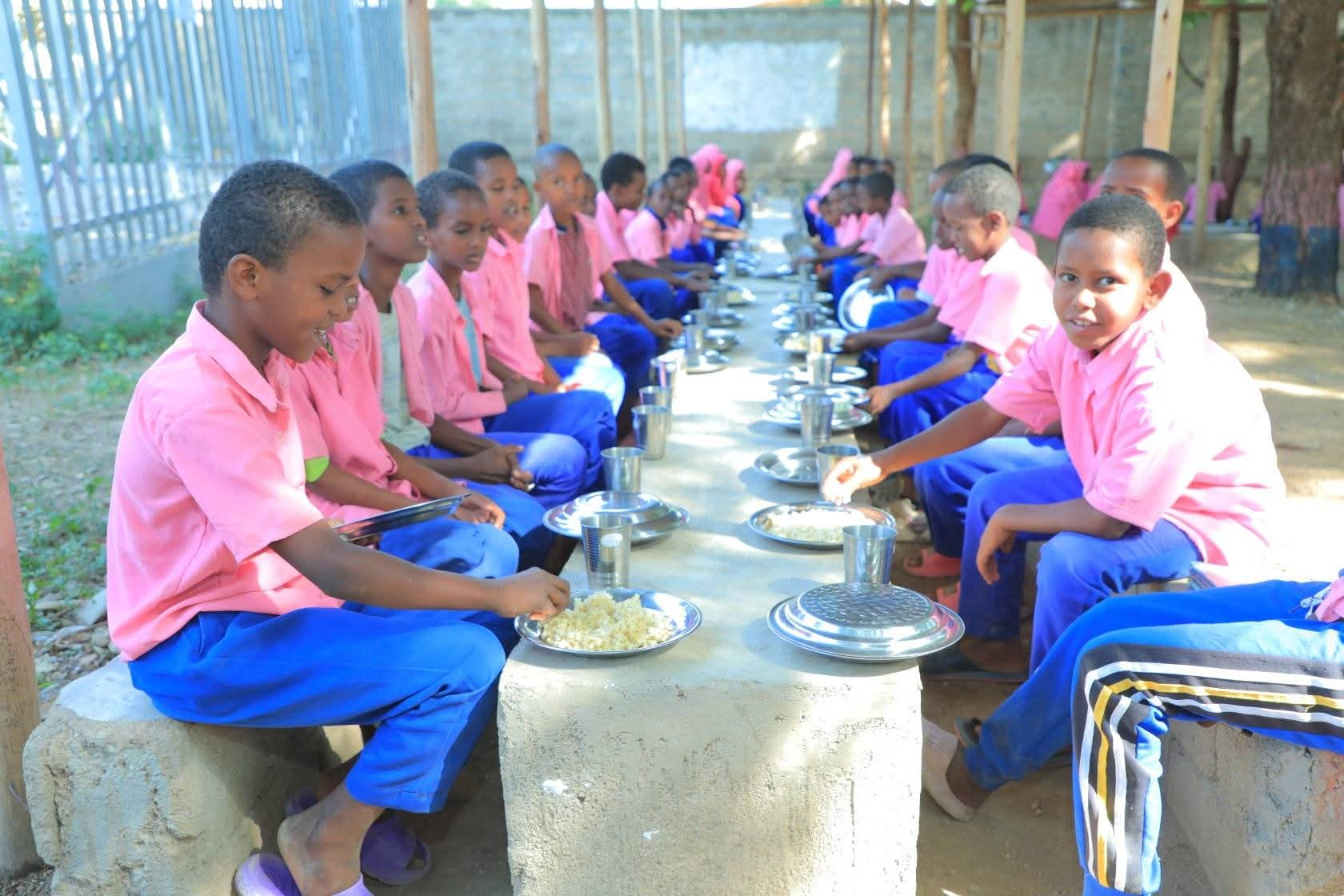
Program Tracks
From school feeding systems and child nutrition to home-grown school feeding, smart farming, smart kitchen systems, food quality, youth empowerment, and school feeding governance.
Program Ecosystem
Connecting Every Part of the School Feeding Value Chain
ESMI’s programs are designed to work together. We connect agriculture, nutrition, schools, communities, youth, governments, and development partners to create sustainable solutions that improve lives while strengthening food systems and local economies.
The goal is not to run isolated projects, but to build integrated, sustainable, and scalable school feeding systems that can be owned and sustained by communities.
Programs Overview
Building Sustainable School Feeding Ecosystems
Each ESMI program contributes to a complete school feeding ecosystem by connecting child nutrition, education, local food systems, agriculture, infrastructure, youth empowerment, governance, and long-term sustainability.
School Feeding Systems Development
School Nutrition and Health
Home-Grown School Feeding
Smart Farm
Smart Farming
Smart Kitchen
Food Quality and Service Systems
Youth Empowerment in Agripreneurs
Policy Advocacy and School Feeding Governance
School Feeding Systems Development
ESMI supports governments, schools, and communities in designing, strengthening, and institutionalizing sustainable school feeding systems. This program focuses on building strong policies, effective governance structures, sustainable financing models, program design, monitoring and evaluation systems, and advisory support for long-term school feeding implementation.
The program helps transform school feeding from a short-term meal provision activity into a structured and sustainable system that improves child nutrition, strengthens education outcomes, supports local food systems, and builds community ownership.
Goal: To build sustainable, efficient, and scalable school feeding systems that improve child nutrition and education outcomes
Focus Areas
- School feeding policy development
- Institutional strengthening
- Program design and implementation planning
- Governance and coordination systems
- Sustainable financing models
- Monitoring, evaluation, and learning
- Advisory services for government, schools, and partners
- Community participation and local ownership
Expected Results
- Stronger school feeding governance
- Improved program planning and implementation quality
- Clear roles and responsibilities among stakeholders
- More sustainable financing and operational systems
- Better coordination between schools, communities, government, and partners
- Improved accountability, reporting, and learning
- Scalable school feeding models that can be adapted across different areas
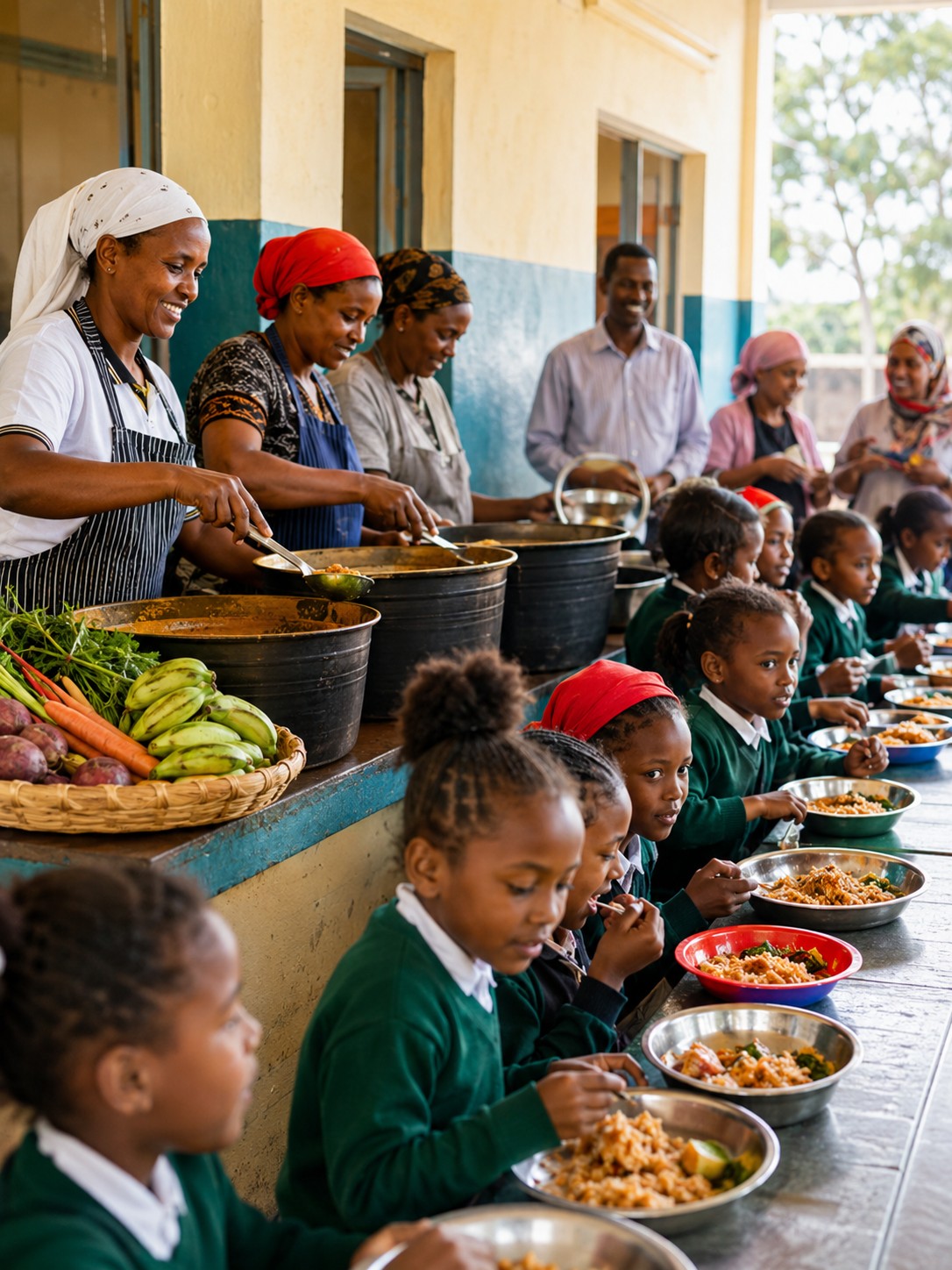
Designing sustainable school feeding systems through policy development, governance, financing, monitoring, and community ownership.
School Nutrition and Health
ESMI promotes healthy school meals, nutrition education, dietary diversity, food safety, hygiene, child health promotion, and nutrition-sensitive school feeding. This program focuses on ensuring that school meals contribute not only to reducing hunger, but also to improving children’s health, learning readiness, concentration, and overall wellbeing.
The program supports schools and communities to strengthen meal quality, promote safe food handling, improve hygiene practices, and encourage healthy eating habits among children.
Goal: To improve nutritional outcomes and support healthier, more productive learners.
Focus Areas
- Healthy and balanced school meals
- Nutrition education for children and school communities
- Dietary diversity and improved meal quality
- Food safety and hygiene practices
- Child health promotion
- Nutrition-sensitive school feeding
- Safe meal preparation and service
- Hygiene and sanitation awareness linked to school feeding
Expected Results
- Improved child nutrition and wellbeing
- Better learning readiness and concentration
- Safer and cleaner meal service environments
- Improved dietary diversity among school-aged children
- Stronger awareness of nutrition, hygiene, and health
- Reduced hunger-related barriers to learning
- Healthier and more productive learners
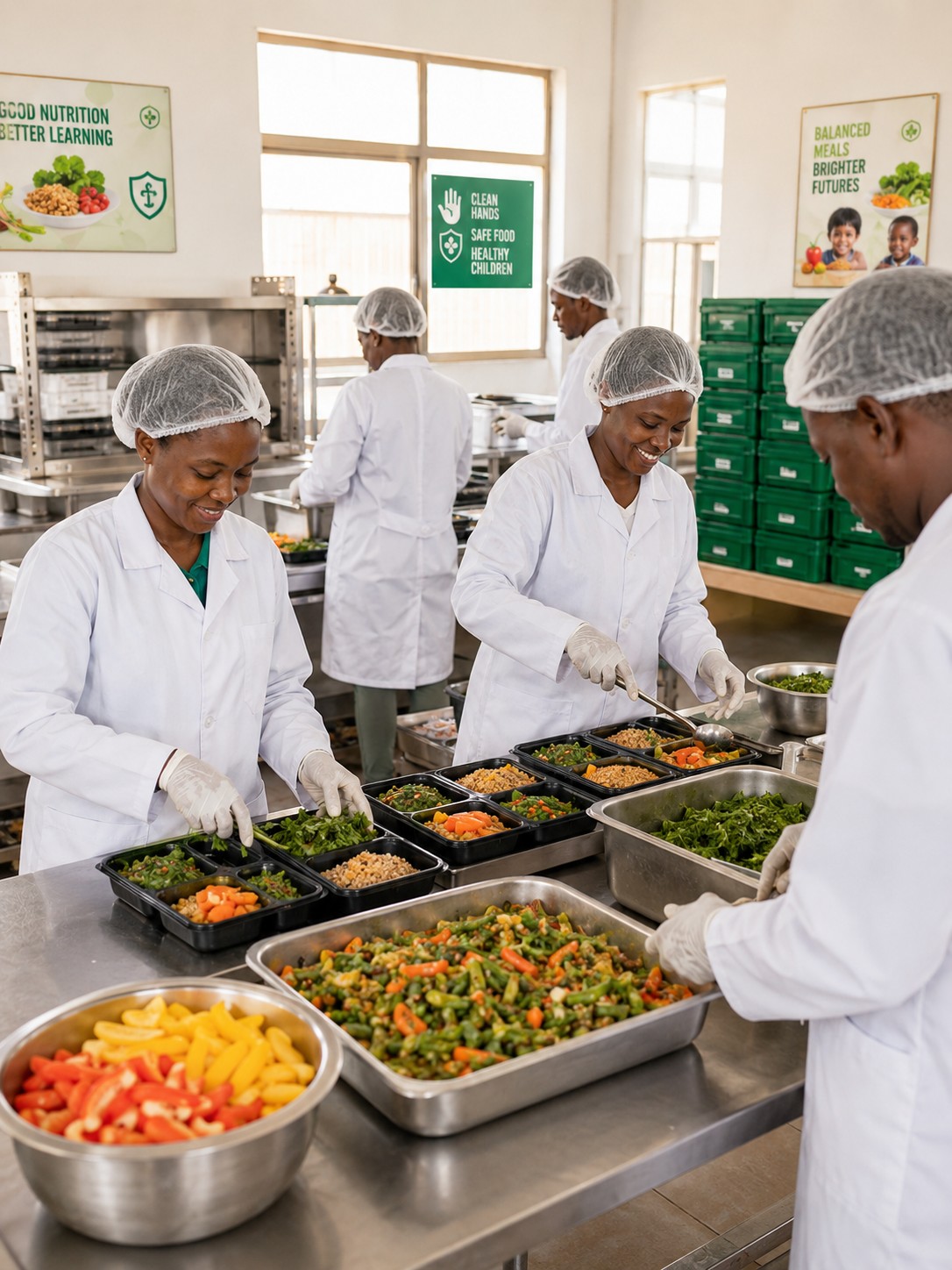
Promoting healthy school meals, nutrition education, food safety, hygiene, and child wellbeing through nutrition-sensitive school feeding.
Home-Grown School Feeding
ESMI promotes school feeding approaches that link school meal programs with local farmers, cooperatives, food producer networks, procurement systems, agricultural value chains, and community participation.
This program strengthens the connection between children’s nutrition, local food production, and community livelihoods. By sourcing food locally and engaging community actors, Home-Grown School Feeding helps create reliable markets for farmers while ensuring that children receive nutritious meals through sustainable local food systems.
Goal: To create sustainable local food systems that benefit both children and local economies.
Focus Areas
- Local farmer and cooperative linkages
- Food producer networks
- Local procurement systems
- Agricultural value chains
- Community participation
- Local food sourcing for school meals
- Market opportunities for farmers and suppliers
- Sustainable food supply for school feeding programs
Expected Results
- Stronger local food systems
- Improved access to nutritious school meals
- Better linkage between schools and local producers
- Increased market opportunities for farmers and cooperatives
- Greater community ownership of school feeding programs
- More sustainable and locally supported school meal delivery
- Economic benefits for families, farmers, and local communities
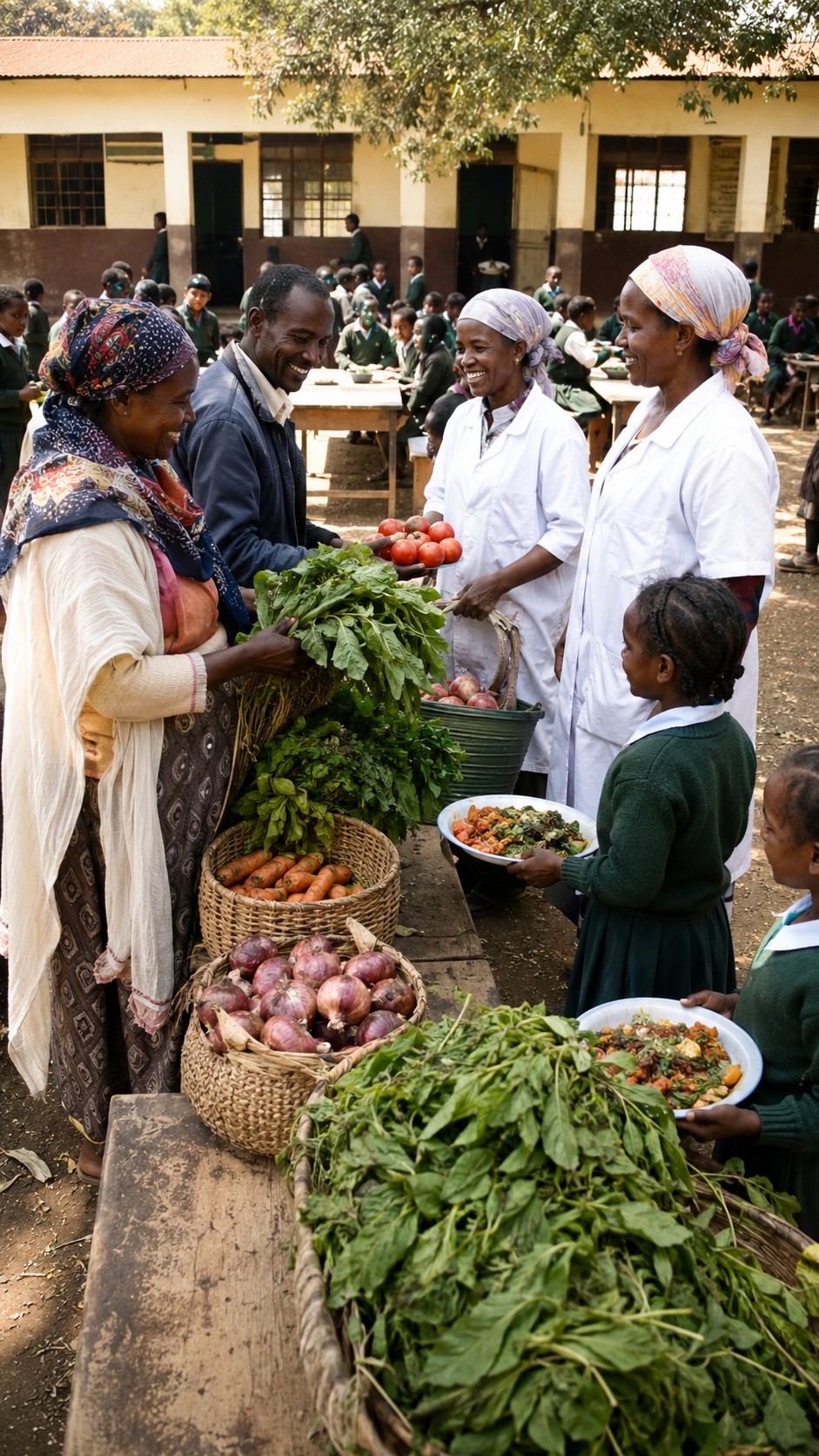
Connecting school meals with local farmers, cooperatives, procurement systems, and agricultural value chains to strengthen child nutrition and local economies.
Smart Farm
Smart Farm integrates modern agricultural technologies with school feeding systems, including vegetable production, poultry systems, dairy production, irrigation technologies, climate-smart agriculture, and precision farming.
This program supports sustainable food production while creating practical learning opportunities connected to school feeding. It helps strengthen food security, improve local supply systems, and demonstrate how agriculture can directly support children’s nutrition and school meal programs.
Goal: To improve food production while creating practical learning opportunities and strengthening food security.
Focus Areas
- Vegetable production
- Poultry systems
- Dairy production
- Irrigation technologies
- Climate-smart agriculture
- Precision farming
- Practical agriculture learning opportunities
- Food production linked to school feeding
Expected Results
- Improved local food production
- Stronger food security for school feeding systems
- Better connection between farms and school meals
- Practical learning opportunities for students and youth
- Increased use of modern agricultural technologies
- More sustainable local supply for school feeding programs
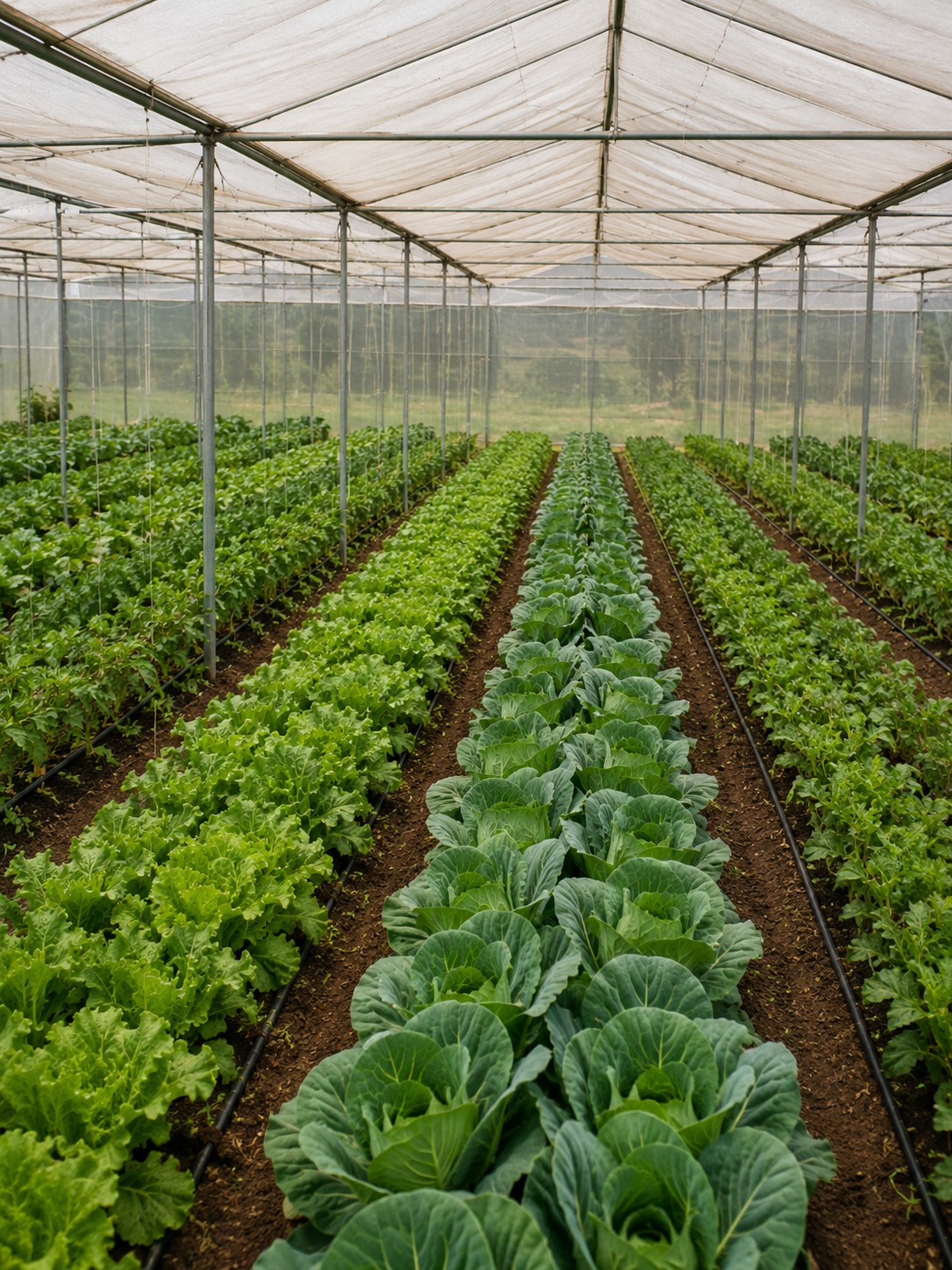
Integrating modern agriculture, vegetable production, poultry, dairy, irrigation, and climate-smart practices into school feeding systems.
Smart Farming
ESMI promotes climate-smart agriculture, precision farming, water-efficient irrigation, greenhouse technologies, soil management, digital agriculture, and agricultural innovation.
This program strengthens sustainable school feeding supply chains by improving agricultural productivity, promoting climate resilience, and encouraging innovative farming practices that support long-term food production.
Goal: To strengthen agricultural productivity and support sustainable school feeding supply chains.
Focus Areas
- Climate-smart agriculture
- Precision farming
- Water-efficient irrigation
- Greenhouse technologies
- Soil management
- Digital agriculture
- Agricultural innovation
- Sustainable school feeding supply chains
Expected Results
- Increased agricultural productivity
- Stronger climate resilience
- Improved water-use efficiency
- Better soil and crop management
- Stronger local food supply chains
- More sustainable food production for school feeding systems
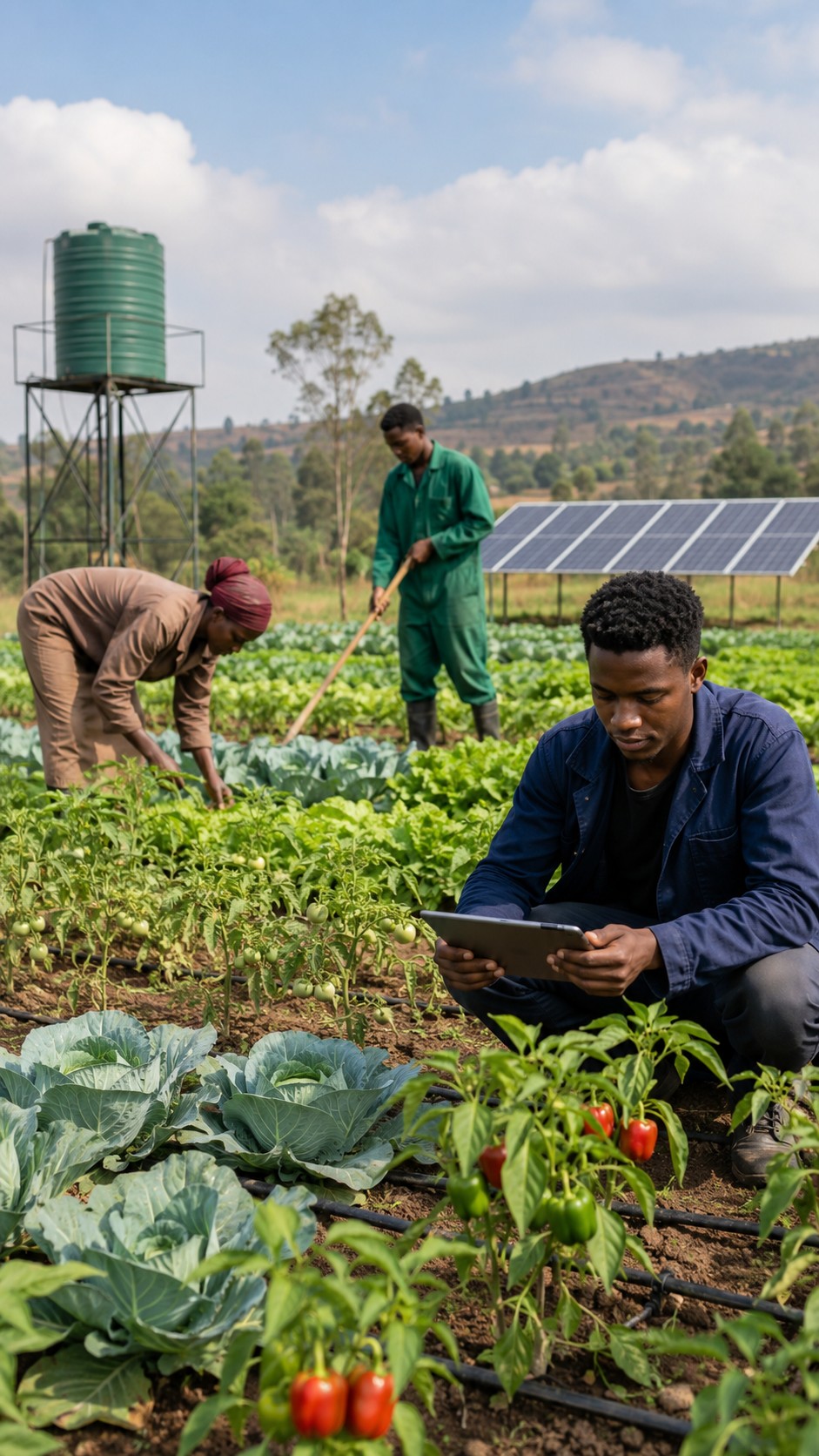
Strengthening climate-smart food production, digital agriculture, irrigation, soil management, and sustainable supply chains for school feeding.
Smart Kitchen
ESMI supports centralized and decentralized kitchen systems that strengthen food safety, hygiene management, occupational safety, and efficient meal preparation.
This program focuses on kitchen design, equipment selection, food safety standards, hygiene systems, occupational safety, and safe meal preparation practices. It helps ensure that school meals are prepared in clean, efficient, and well-managed environments that protect children’s health and support quality service delivery.
Goal: To ensure safe, high-quality, and efficient meal preparation systems for school feeding programs.
Focus Areas
- Centralized and decentralized kitchen systems
- Kitchen design and layout
- Equipment selection and proper use
- Food safety standards
- Hygiene management
- Occupational safety
- Efficient meal preparation
- Safe storage, handling, and service systems
Expected Results
- Safer meal preparation environments
- Improved food safety and hygiene
- Better kitchen organization and workflow
- More efficient meal preparation and service
- Improved quality and consistency of school meals
- Safer working conditions for kitchen staff
- Stronger school feeding operational systems
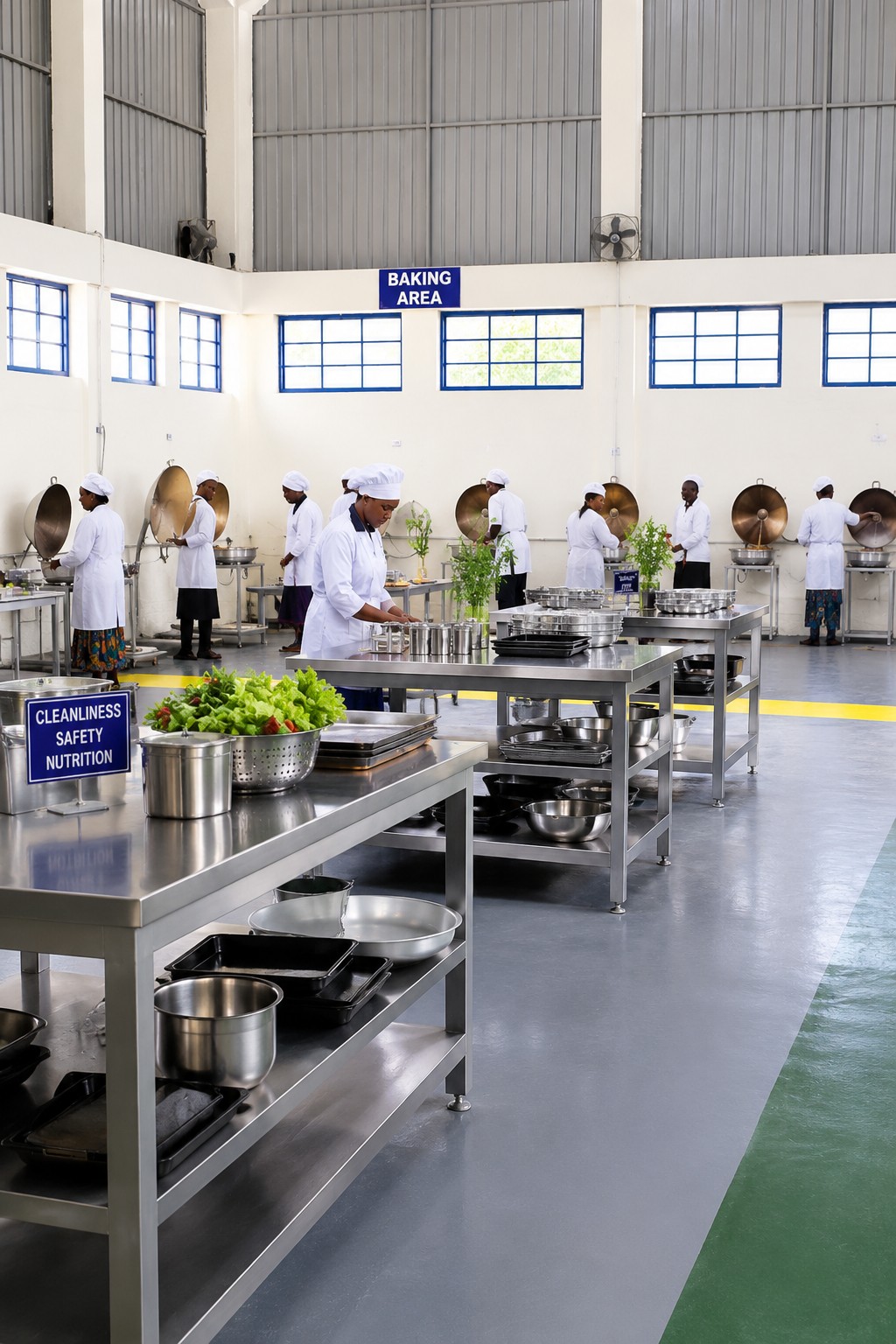
Strengthening safe, efficient, and high-quality meal preparation through smart kitchen systems, food safety, hygiene management, and operational efficiency.
Food Quality and Service Systems
Improving the quality, consistency, and efficiency of school meal delivery through stronger food preparation, service, portion control, and nutrition standards.
Goal: To ensure consistent, safe, and high-quality school meals through improved food preparation, efficient service systems, and strict nutrition standards.
Focus Areas
- Food preparation standards
- Meal service systems
- Portion control
- Food quality management
- Nutrition standards
- Operational efficiency across the school feeding value chain
Expected Results
- Improved quality and consistency of school meals
- More efficient meal service systems
- Stronger portion control and food quality management
- Better alignment with nutrition standards
- Improved operational efficiency across the school feeding value chain
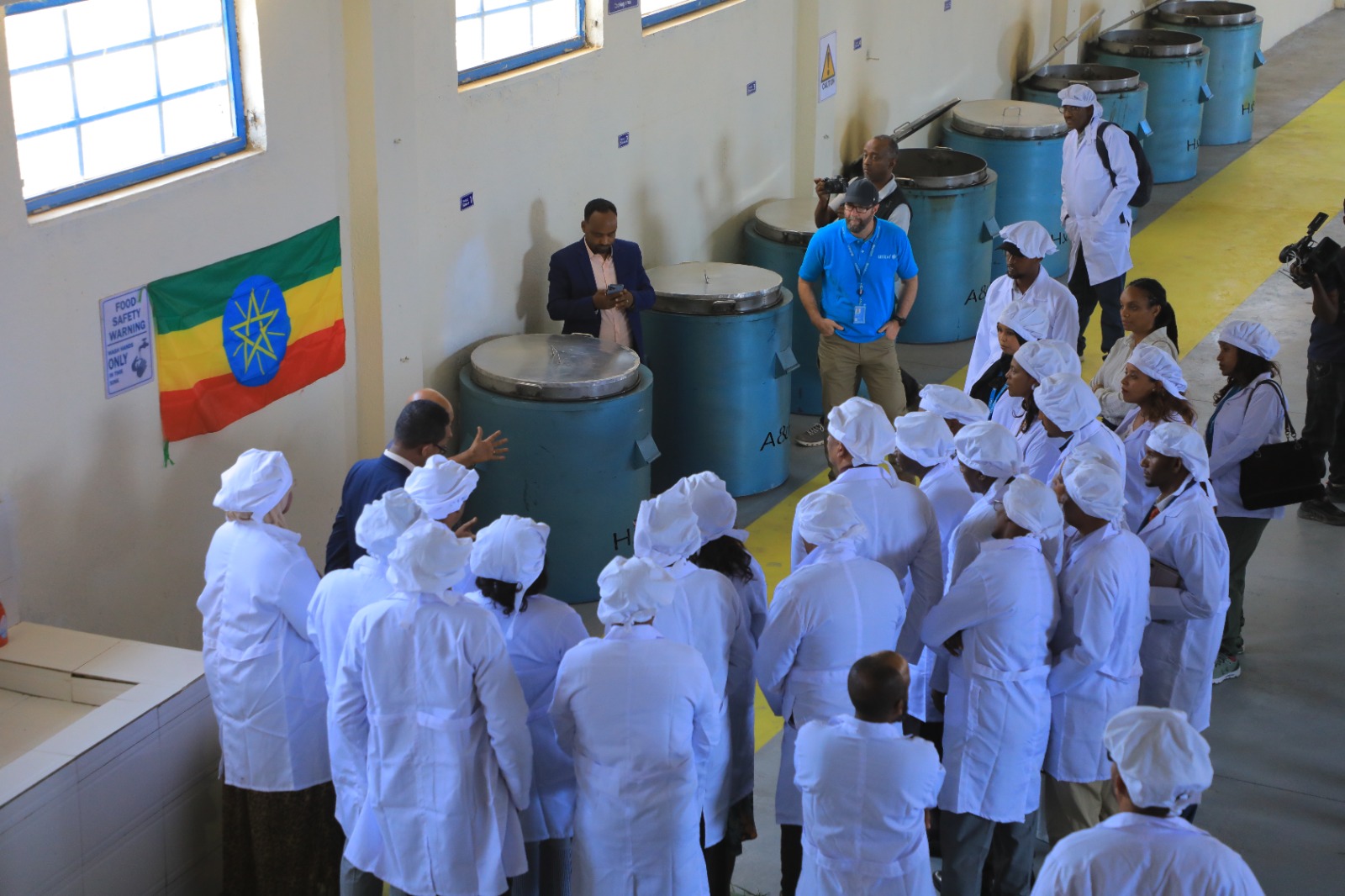
Strengthening food preparation, service delivery, and nutrition standards to ensure consistent, safe, and high-quality school meals.
Youth Empowerment in Agripreneurs
ESMI develops young people as future agripreneurs and food system leaders. This flagship program supports youth through leadership development, personal transformation, entrepreneurship training, agribusiness development, digital skills, employability skills, innovation support, and school feeding value chain opportunities.
The program also strengthens the capacity of youth groups, women’s groups, farmers, community organizations, and school-level stakeholders so local actors can lead and sustain school feeding solutions.
Goal: To equip young people and community actors with the skills, confidence, and systems capacity needed to become successful agripreneurs and community leaders.
Focus Areas
- Leadership development
- Personal transformation
- Entrepreneurship training
- Agribusiness development
- Digital skills
- Employability skills
- Innovation support
- School feeding value chain opportunities
- Capacity building for youth and community actors
Expected Results
- Skilled and confident young agripreneurs
- Increased youth participation in food systems
- Stronger entrepreneurship and employment pathways
- Youth-led innovation in agriculture and school feeding
- Improved local capacity to support sustainable school feeding
- Stronger community leadership and ownership
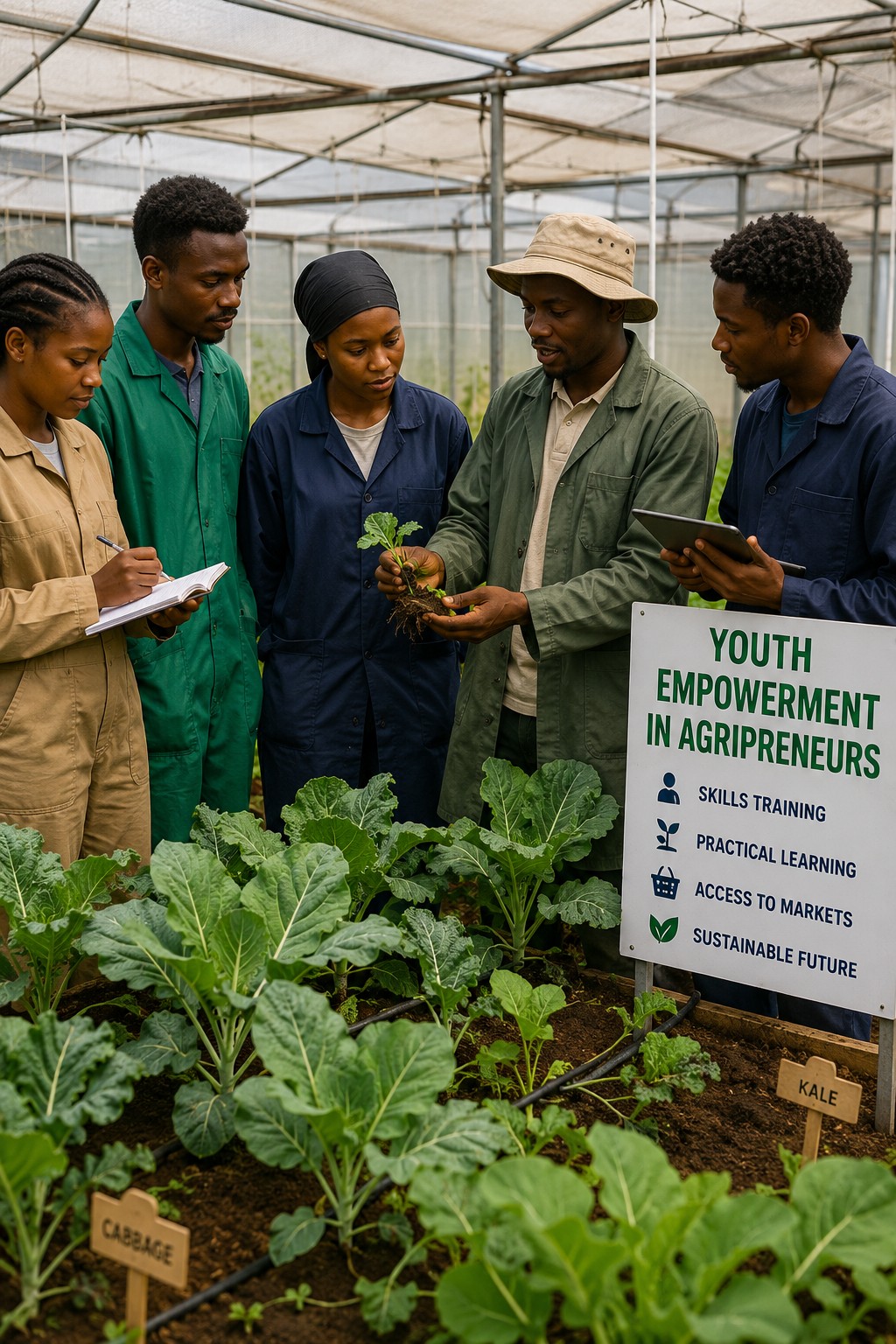
Preparing young people to become agripreneurs, food system leaders, innovators, and community change agents through leadership, entrepreneurship, agribusiness, digital skills, and school feeding value chain opportunities.
Policy Advocacy and School Feeding Governance
ESMI works with policymakers and partners to strengthen school feeding governance through policy advocacy, legal frameworks, financing mechanisms, institutional reform, stakeholder coordination, and sustainable implementation models.
This program supports the creation of strong enabling environments where school feeding can be planned, financed, implemented, monitored, and sustained as part of national and local development systems.
Goal: To create enabling environments that support sustainable school feeding systems.
Focus Areas
- Policy advocacy
- Legal and institutional frameworks
- Sustainable financing mechanisms
- Institutional reform
- Stakeholder coordination
- School feeding governance strengthening
- Sustainable implementation models
- Government and partner engagement
Expected Results
- Stronger school feeding governance systems
- Improved policy and institutional support
- Clearer legal and financing frameworks
- Better coordination among government, schools, communities, and partners
- Stronger accountability and implementation structures
- More sustainable school feeding systems
- Greater recognition of school feeding as a national development priority
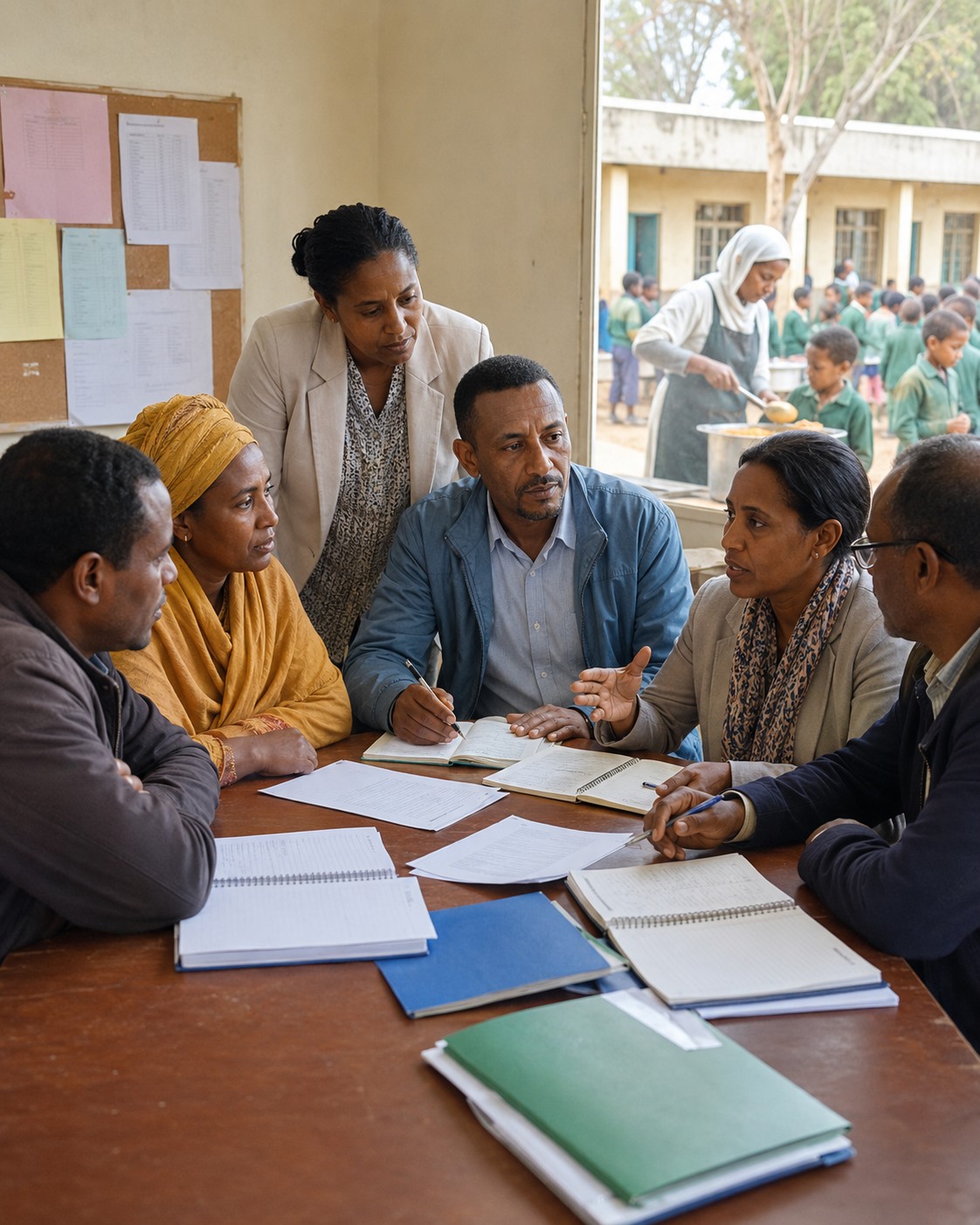
Strengthening school feeding governance through policy advocacy, legal frameworks, financing mechanisms, institutional reform, stakeholder coordination, and sustainable implementation models.
Let's Make an Impact
Partner with ESMI to Advance Sustainable School Feeding
ESMI welcomes collaboration with government institutions, development partners, foundations, academic institutions, private sector organizations, schools, and community stakeholders to strengthen sustainable school feeding systems. Together, we can improve child nutrition, support education, empower youth, strengthen local food systems, and build resilient communities.
Start a Partnership Conversation